 Skip to content

Your first High Performance Driver Education event should be exciting, not overwhelming. Use this HPDE first-timer checklist to prepare your car, safety gear, paperwork, tools, hydration, and event-day routine before you arrive at the track.
HPDE First-Timer Checklist: What to Prepare Before Your First Track Day
A good first HPDE day starts before you get to the paddock. The goal is simple: arrive with a properly prepared car, the required safety gear, completed paperwork, and enough basic tools to handle normal track-day checks.
Who This Checklist Is For
This guide is for first-time and early HPDE drivers who want a practical, beginner-friendly checklist. You do not need every advanced racing tool on day one. Focus first on preparation, hydration, instruction, and simple repeatable checks.
Car Preparation Checklist
Complete your basic vehicle checks several days before the event so you have time to fix problems before track day.
- Check engine oil level and condition.
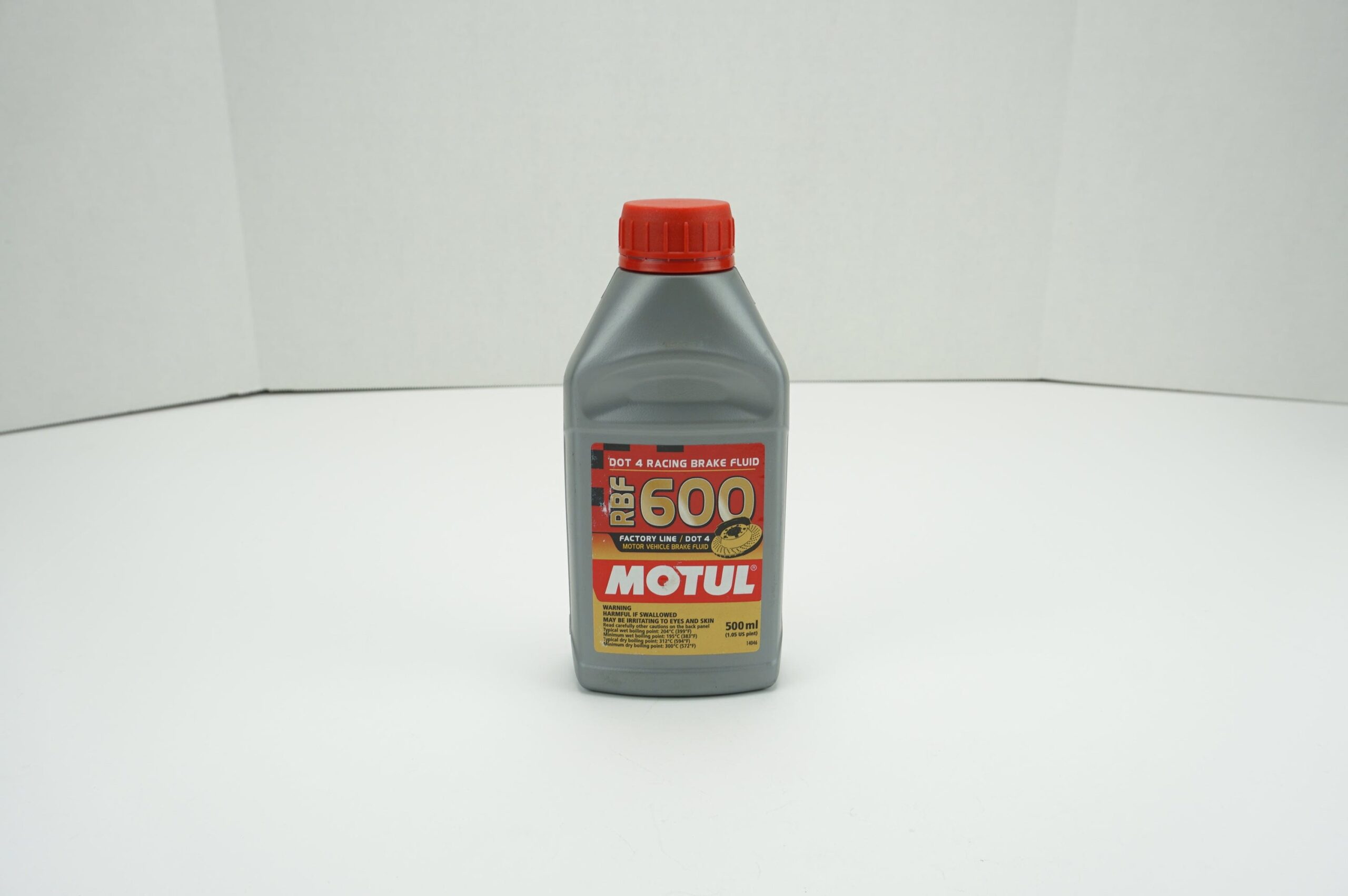
- Check brake fluid and clutch fluid (when applicable).
- Inspect brake pad thickness and rotor condition.
- Inspect tires for tread depth, sidewall damage, and uneven wear.
- Confirm the battery is secure.
- Inspect belts, hoses, and look for obvious leaks.
- Check suspension components for looseness or damage.
- Remove all loose items from the cabin and trunk.
- Complete the organizer’s tech inspection process.
Brake Pads and Brake Fluid
Brakes are one of the most important systems for HPDE. Verify pad thickness, rotor condition, and brake fluid before the event. If you are unsure, have a qualified shop perform a pre-event inspection.

Tires and Pressures
Inspect tread depth, sidewall condition, and tire age before your event. Start with a conservative cold pressure plan, then ask experienced drivers or instructors how a similar car typically behaves as pressures rise during sessions.
Safety Gear Checklist
Always check the event organizer’s rules before you arrive. Requirements vary by group, track, and run level.
- Confirm whether your event has specific clothing, helmet, or safety-equipment rules.
- Bring a current approved helmet or confirm rental availability.
- Wear closed-toe, flat-soled shoes.
- Wear long pants and appropriate upper-body clothing based on the organizer’s rules.
- Consider a head sock or balaclava for hygiene and comfort.
- Driving gloves are optional for many beginners but can improve grip and comfort.
Tools and Spares Checklist
Bring enough to handle normal paddock checks without turning your car into a mobile race shop.
- Tire pressure gauge
- Torque wrench for lug nuts
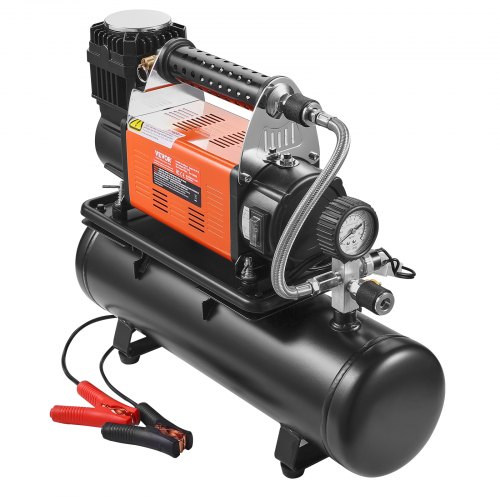
- Portable tire inflator or access to paddock air
- Basic socket/wrench set
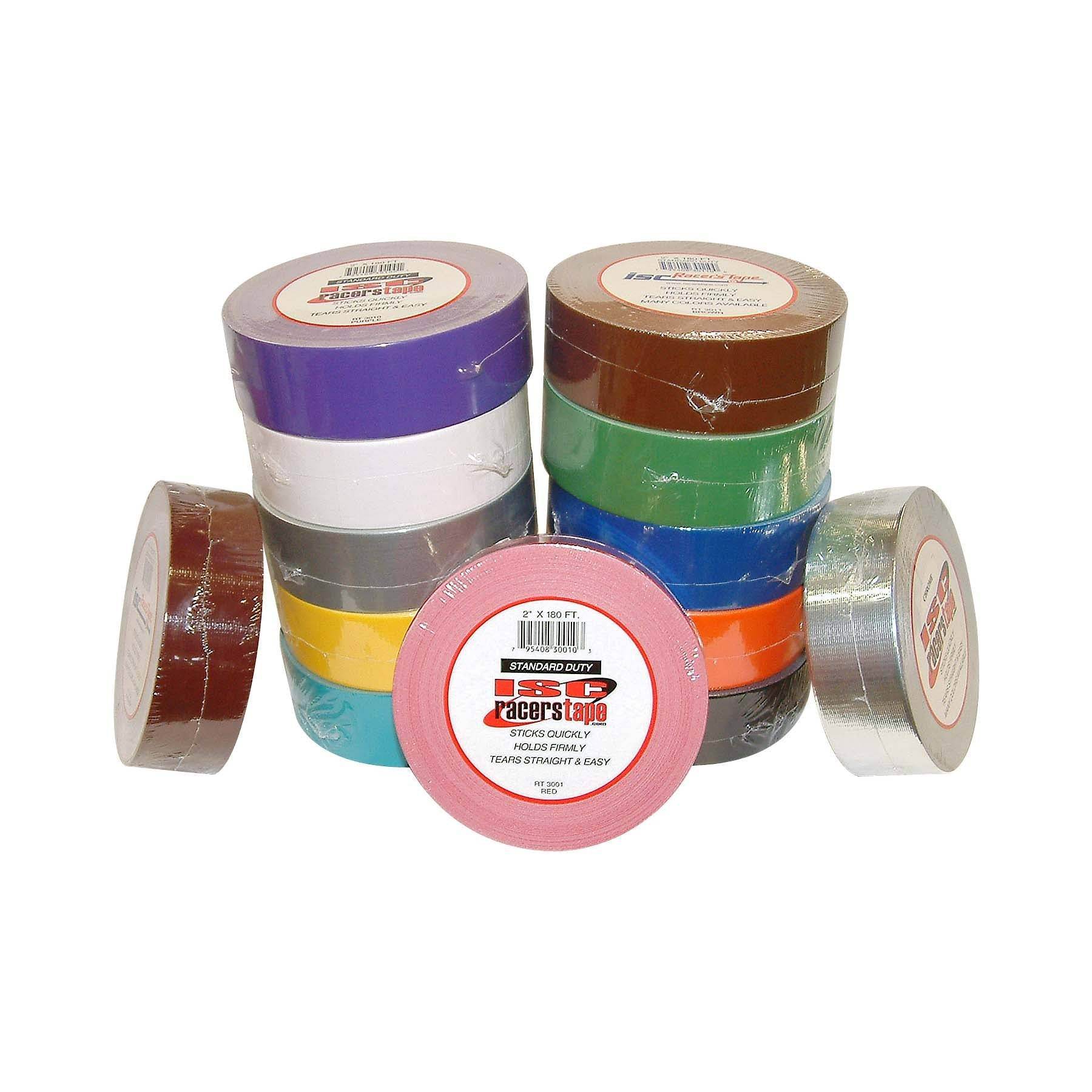
- Painter’s tape or number decals
- Zip ties
- Work gloves and disposable gloves
- Extra engine oil
- Paper or shop towels
- Notebook or phone notes app for instructor feedback and setup notes
Personal Essentials
- Water and electrolytes
- Easy snacks
- Sunscreen
- Hat and sunglasses
- Folding chair
- Weather-appropriate layers
- Phone charger or battery pack
Quick Comparison: First HPDE Gear Priorities
If you are buying only a few items before your first event, these are the starter tools that tend to be useful immediately.
First HPDE Gear Priorities
Start with tools that support consistency and basic track-day execution.
| Gear | Best For | Why It Matters | Priority |
|---|---|---|---|
| Tire Pressure Gauge | Managing cold and hot tire pressures | Helps keep handling predictable as tires heat up across sessions | High |
| Torque Wrench | Wheel checks | Confirms lug nuts are properly torqued before and between sessions | High |
| Portable Tire Inflator | Small tire-pressure adjustments | Useful when paddock air is unavailable, busy, or inconvenient | Medium |
Always verify your vehicle’s lug torque specification and follow the event organizer’s safety requirements.
Recommended Starter Gear
These are practical starter items that support consistency, preparation, and basic paddock self-sufficiency.


Event Day Logistics Checklist
A smooth first HPDE starts before you arrive at the track.
- Confirm event address, gate time, drivers’ meeting time, and run group.
- Bring your driver’s license, registration confirmation, waivers, and tech forms.
- Arrive early enough to unload, check in, attend the drivers’ meeting, and meet your instructor.
- Start with a full tank of fuel unless the event or track plan requires otherwise.
- Bring water, electrolytes, and easy snacks.
- Have the event schedule accessible on your phone or printed out.
Driver Mindset for Your First HPDE
Your first event is about learning, not proving speed. Focus on flags, vision, smooth inputs, predictable driving, and listening to your instructor. A strong first-day goal is to finish each session with more awareness.
After Each Session
Build a simple routine so you learn from every session and keep yourself organized and the car prepared.
- Let the car cool down properly (oil, brakes, tires).
- Check and adjust tire pressures once you are parked in the paddock.
- Write down instructor feedback while it is fresh.
- Drink water and eat something light.
- Review one or two goals for the next session.
- Ask questions before the next drivers’ meeting or session.
TrackMinded Take
For your first HPDE, spend your attention on preparation, consistency, instruction, and awareness. Speed comes later.
First-Timer Priority
A properly prepared car, proper helmet, tire pressure gauge, torque wrench, hydration, and a teachable mindset matter more than buying a trunk full of specialty gear.
Ready for Your First Track Day?
If your car is properly prepared, your paperwork is ready, your gear is packed, and you know the schedule, you are already ahead of many first-timers. Keep the day simple, listen to your instructor, and focus on learning.
Continue Your Track-Day Prep:
About TrackMindedHPDE
TrackMindedHPDE is a father-son HPDE and time-trial project focused on practical, clutter-free guidance for beginner and intermediate drivers. Our goal is to help drivers prepare well, learn faster, and enjoy track days with a safety-first mindset.
Disclaimer
For educational use only. This guide does not replace professional instruction, event rules, tech inspection requirements, vehicle-specific service guidance, or advice from a qualified mechanic. Always follow your event organizer’s rules and your vehicle manufacturer’s guidance.