 Skip to content
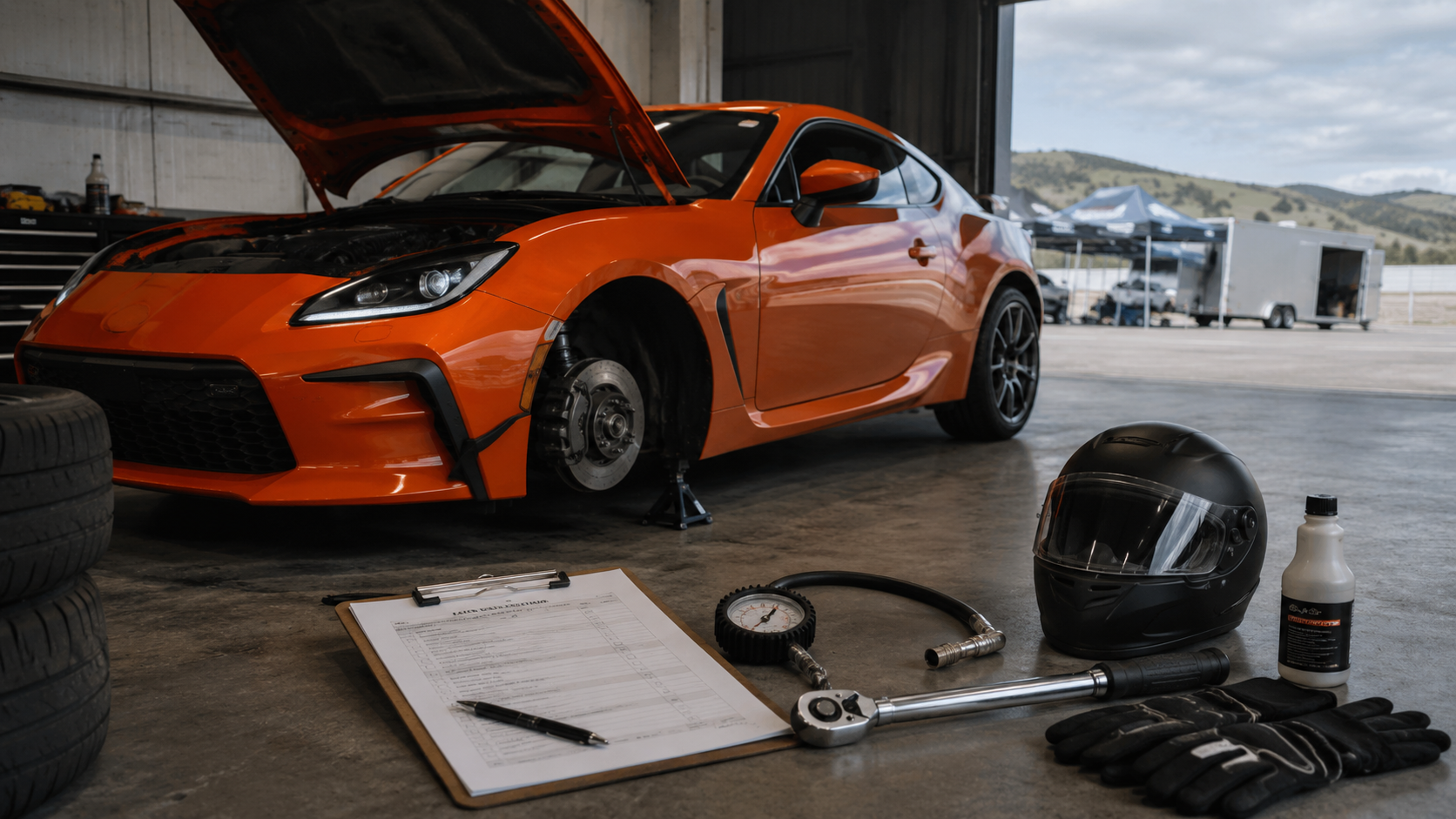
This HPDE tech inspection checklist helps first-time track day drivers understand what to check before an event and what to do if something needs attention before going to the track. Requirements vary by organizer, track, run group, and vehicle, so always read your event’s rules and tech form days before you arrive.
Quick Answer: What Gets Checked at HPDE Tech Inspection?
What to know first
- Most HPDE tech inspections focus on tires, brakes, fluids, leaks, battery security, loose items, safety gear, and paperwork.
- Some organizers require a shop-completed tech form before the event; others inspect cars at the track.
- Helmet rules, clothing requirements, and car-prep standards vary by organizer, track, run group, and vehicle.
- A checklist can help you arrive prepared, but it does not replace a qualified mechanic, event rules, or the organizer’s tech inspection.
- If something does not pass tech, stop and fix it before driving on track.
What Is a HPDE Tech Inspection?
HPDE tech inspection is a pre-event check designed to help confirm that your car, required equipment, and paperwork meet the organizer’s baseline requirements before you drive on track. It is not a full mechanical diagnosis or a guarantee that nothing will fail.
Some events require you to complete a tech form at home and have a qualified shop sign it. Other events perform a paddock inspection on the morning of the event. Many use a combination of both or allow for self-inspection. Read the event packet carefully and contact the organizer if anything is unclear.
HPDE Tech Inspection Quick Checklist
- Tires have safe tread and no visible damage
- Brake pads have enough material
- Brake fluid is fresh and free of air
- Battery is secure
- Lug nuts are torqued
- No fluid leaks
- Helmet meets organizer rules
- Numbers and paperwork are ready
HPDE Tech Inspection Checklist: What Usually Gets Checked Before a Track Day?
Every organizer’s tech form is different, but most beginner HPDE inspections focus on the same basic areas: tires, wheels, brakes, fluids, leaks, battery security, interior condition, safety gear, and event paperwork. If your organizer requires one, confirm your tow hook or recovery point setup.
Tires
- Enough tread for the event, usually > 2/32″ for street tires
- No cords, bubbles, punctures, cuts, or sidewall damage
- No severe cracking from age or dry rot
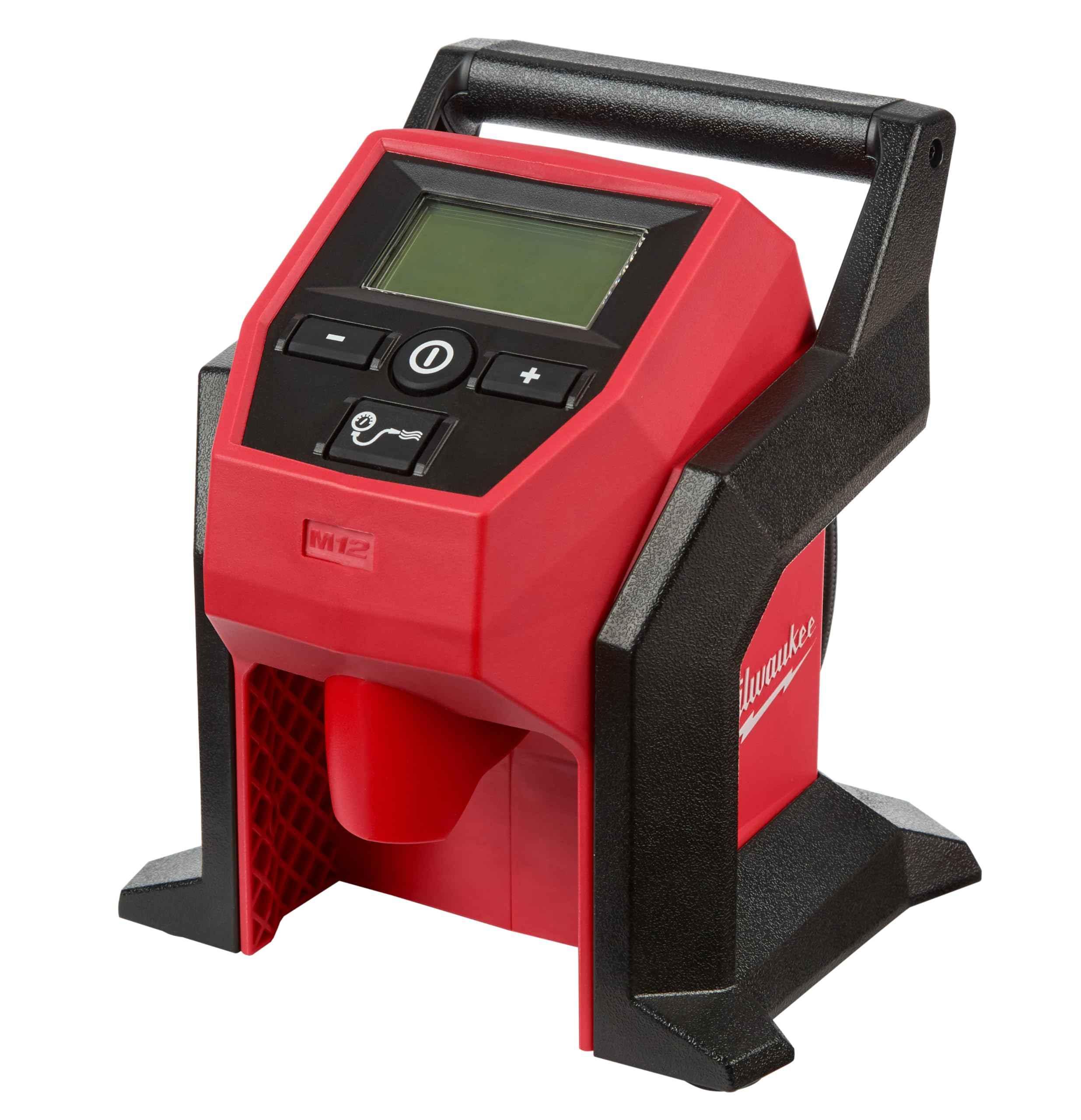
Ensure precise tire pressure readings with this accurate, built-to-last air pressure gauge that ranges from 0-60 PSI and includes a protective shock-resistant rubber bumper around the face of the gauge
Simple to use and features a large glow in the dark gauge face with easy to read numbers, high flex hose and includes both an angle and ball chuck, contains a built-in tire pressure deflator valve to drop your pressures.

Wheels and Lug Nuts
- No obvious wheel cracks, bends, or damage
- Correct lug nuts or bolts installed
- Lug nuts torqued to the vehicle manufacturer’s specification
- Center caps removed if your organizer requires it
- Wheel spacers checked carefully if installed
This Craftsman 9-31425 1/2" Dr. MicroTork Torque Wrench 20-150 ft. lbs. is accurate to +/- 4%.
- Scales stamped into housing show inch/metric torque settings
- Twist ring with lock/unlock settings

Brakes
Brakes are one of the most important systems to check before any track event. If you are unsure about pad thickness, rotor condition, brake fluid age, or pedal feel, have a qualified mechanic inspect the car before the event.
- Enough brake pad material for all sessions, typically > 4mm
- Rotors free of major cracks, severe grooves, or unusual wear
- Firm brake pedal feel
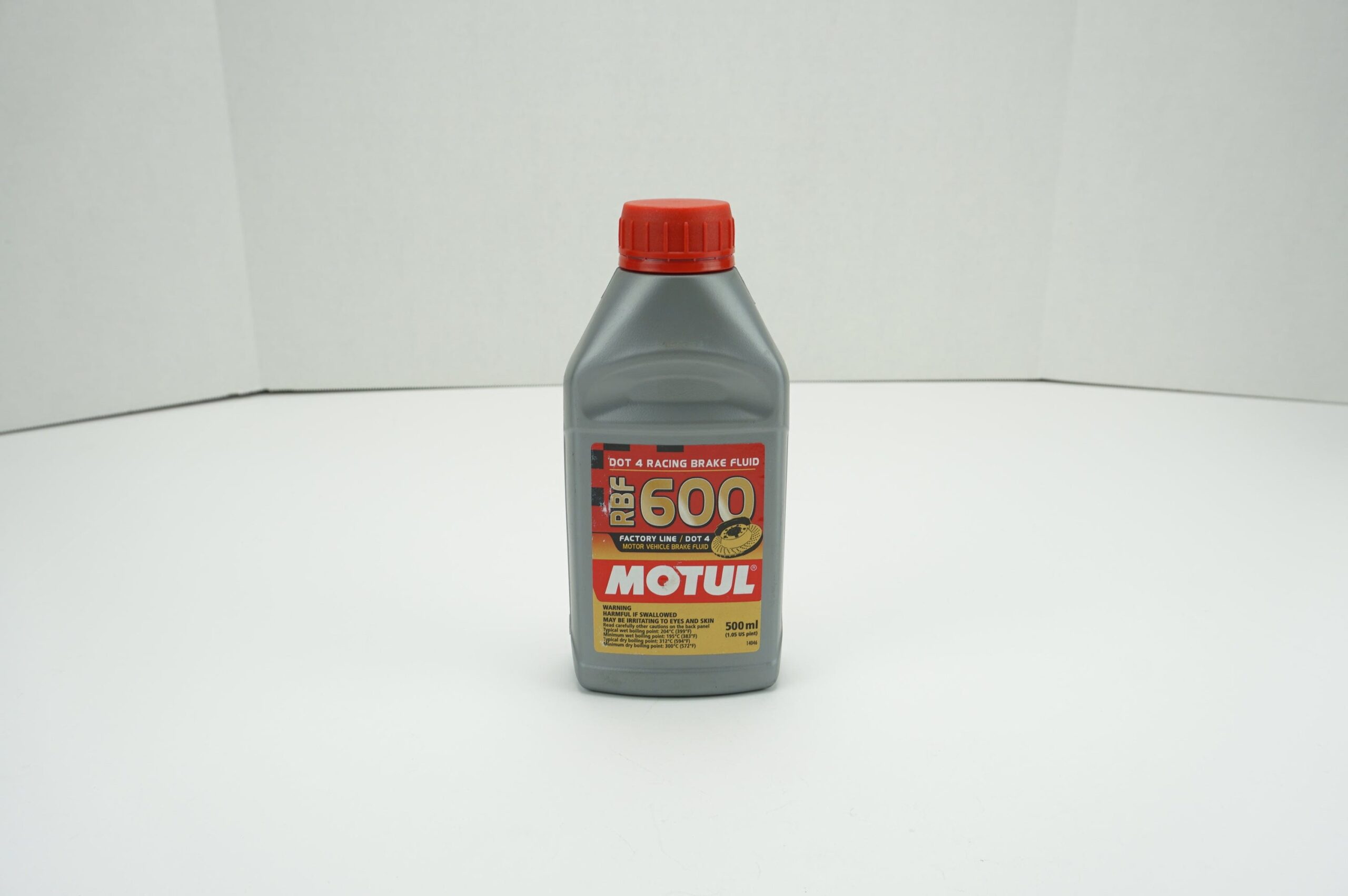
- Fresh or appropriate brake fluid for track use at the appropriate level
- No visible brake-fluid leaks
- Brake lines intact and free from rubbing
- Brake lights in working order
Fluids and Leaks
- Engine oil level checked and within the proper range
- Coolant level checked, with event-specific coolant rules followed
- Power steering, clutch, transmission, and differential fluids checked where applicable
- No active leaks under the car
- Fluid lines intact

Battery Hold-Down
Most organizers require the battery to be securely mounted. A loose battery can create problems under braking, cornering, or impact, so check the hold-down before you leave home.
- Battery firmly secured
- Terminals tight and covered
- No corrosion or obvious cable damage
- Aftermarket battery mounts checked carefully
Seats, Seat Belts, and Interior
- Seat belts latch, retract, and sit correctly
- Seats are firmly mounted
- No loose items in the cabin, trunk, door pockets, or center console
- Floor mats removed or secured
- Camera mounts, phone mounts, and data devices secured or removed
- Aftermarket seatbelts properly installed
Steering and Suspension
Tech inspection may not catch every suspension issue. If the car has clunks, vibration, wandering steering, or recent suspension work, have it inspected before the event.
- No obvious play in steering components / wheel bearings
- No loose or damaged suspension parts
- No unusual noises during normal driving
- Alignment and ride height reasonable for the car and tires
Helmet and Personal Gear
Helmet and clothing rules vary widely. Some events allow rentals, some require a specific Snell rating, and some have date cutoffs. Check the event page before buying or bringing gear.
- Helmet rating and date accepted by the organizer
- Closed-toe shoes
- Long pants and/or long sleeves if required – cotton or motorsport rated wear preferred
- Head sock or balaclava if using a rental helmet or desired for comfort
- Gloves and head sock (or balaclava) only if desired or required by your setup/event
Paperwork, Numbers, and Event Requirements
- Driver’s license
- Event registration confirmation
- Waivers and required forms
- Completed tech form if required (click here for an example)
- Car numbers if assigned by the organizer – pay attention to size and other requirements
- Emergency contact information
Do not wait until the morning of the event to inspect the car. Give yourself several days so you have time to fix problems, order parts, ask questions, or visit a shop.
At-home pre-tech routine
- Read the organizer’s tech form and event rules
- Inspect tires, brakes, fluids, battery, belts, hoses, and leaks
- Torque wheels to the correct vehicle specification
- Remove loose items from the interior and trunk
- Confirm helmet rules and paperwork requirements
- Schedule a shop inspection if anything feels uncertain
Common reasons cars fail HPDE tech inspection:
- Worn brake pads
- Loose battery
- Corded or cracked tires
- Leaking fluids
- Loose wheel bearings
- Missing tow hook
What If Your Car Does Not Pass Tech?
If your car does not pass tech, take it seriously. The organizer may allow you to fix simple issues in the paddock, but some problems mean the car should not go on track that day. It is best to avoid issues by preparing properly ahead of time.
- Ask the tech inspector or organizer to explain the issue clearly
- Do not argue or try to bypass the requirement
- Fix only simple issues you understand and can complete correctly
- Have a qualified mechanic handle anything involving brakes, steering, suspension, leaks, or major mechanical systems
- Skip the event if the car cannot be made compliant and properly prepared
- A lot of mechanics and shop owners go to these events, you might find someone that can help you out
Common First-Timer Tech Inspection Mistakes
- Waiting until the night before to inspect brakes or tires
- Assuming street-legal means track-ready
- Forgetting to secure or remove loose items
- Bringing an expired or incorrect helmet rating
- Skipping the organizer’s tech form or paperwork
- Ignoring small leaks, brake feel changes, or tire damage
- Not realizing small issues can be amplified and become big issues under tracking conditions
TrackMinded Take
Tech inspection is not about making your car “fast.” It is about showing up prepared, with a safe car, and being respectful of the event’s rules and other participants. For your first HPDE, the best approach is simple: read the tech form early, inspect the car several days ahead, fix issues before the event, and ask for help when something is outside of your expertise.
Recommended Gear and Resources
For most first-timers, the useful resources are the organizer’s tech form, your vehicle owner’s manual or service information, a qualified mechanic when needed, race shop advice, and a simple at-home inspection routine.
- Your event organizer’s tech inspection form
- Your vehicle manufacturer’s maintenance guidance
- A qualified mechanic or track-experienced shop
- Your event packet, schedule, helmet rules, and waiver instructions
FAQ
What is checked during HPDE tech inspection?
Most HPDE tech inspections usually check tires, wheels, lug nuts, brakes, fluids, leaks, battery security, loose interior items, helmet rules, paperwork, and event-specific requirements. Exact requirements vary by organizer, track, run group, and vehicle.
Do I need a shop to inspect my car before HPDE?
Some organizers require a shop-completed tech form, while others allow driver self-inspection or perform inspection at the track. Check your organizer’s rules. If you are unsure about brakes, tires, leaks, steering, suspension, or fluid condition, have a qualified mechanic inspect the car before the event.
Can I pass tech with worn tires or old brake fluid?
Maybe not, and it may not be a good idea even if the car passes a basic inspection. Tires and brake fluid are critical for track-day preparation and safety. Follow your organizer’s rules, your vehicle’s service guidance, and advice from a qualified mechanic.
What happens if my car fails tech inspection?
The organizer may let you correct simple issues before going on track, but more serious problems may end your day. Do not drive on track until the car meets the event’s requirements and the issue has been addressed properly for your safety and the safety of others.
Should I remove loose items before tech inspection?
Yes. Remove loose items from the cabin, trunk, door pockets, center console, and floor area before tech inspection and before every session. Items that move around can distract you or interfere with controls or worse in the case of an impact.
Does passing tech mean my car is guaranteed safe?
No. Tech inspection is a baseline event requirement, not a guarantee or complete mechanical diagnosis. It does not replace proper maintenance, vehicle-specific service guidance, event rules, or a qualified mechanic’s inspection.
Final Prep Before Tech Inspection
The best time to prepare for tech inspection is several days before your event, not in the paddock. Print or save the tech form, inspect the car carefully, gather your paperwork, confirm helmet rules, and ask for help if anything is unclear.
Continue Your Track-Day Prep:
Disclosure:
For educational use only. This guide does not replace professional instruction, event rules, tech inspection requirements, vehicle-specific service guidance, or advice from a qualified mechanic. Always follow your event organizer’s rules and your vehicle manufacturer’s guidance.