 Skip to content
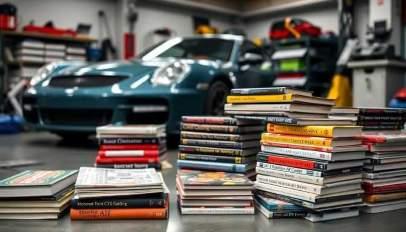
Looking for the best HPDE books before your first track day? This guide helps new drivers choose useful performance-driving books, understand what each resource can teach, and use that reading as a supplement to instructors, classroom sessions, driver meetings, and event-specific safety rules.
Quick Answer: What to Read First
- Start with one beginner-friendly performance-driving book instead of trying to read everything at once.
- Look for explanations of vision, braking, weight transfer, smooth inputs, the racing line, and driver mindset.
- Pick one or two ideas to discuss with your HPDE instructor rather than trying to overhaul your driving in one session.
- Use books as preparation and review, not as a replacement for event rules, flags, driver meetings, or in-car instruction.
Start Here: If You Only Read One Book
If you are completely new to HPDE, start with one book that explains the fundamentals in plain language. You are looking for concepts you can ask an instructor about: vision, smooth inputs, braking, the line, weight transfer, and awareness around other cars.
Beginner Reading Priority
Pick one chapter or concept before an event, then use instructor feedback and session notes to connect the idea to what you actually felt in the car.
Why Read Before Your First Track Day?
Most new HPDE drivers think first about helmets, brake fluid, tire pressure, or what to pack. Those things matter, but driver understanding matters too. Reading before an event can make classroom sessions easier to follow and can help you ask better questions in the paddock.
- Vision: understanding why looking farther ahead may reduce rushed decisions.
- Braking: learning the difference between firm braking, smooth release, and rushing corner entry.
- Weight transfer: understanding why the car feels different when you brake, turn, and accelerate.
- Track awareness: connecting flags, point-bys, traffic, and predictable driving.
- Mindset: focusing on consistency and learning rather than chasing lap times too early.
Best HPDE Books for Your First Track Day and Beyond
Our top recommendation for easily understandable and applied car control techniques.
The Perfect Corner 1 & 2 and Perfect Control: Intuitive and fun lessons on the physics of racing and how to apply it as you learn to optimize your driving technique. Offers examples from real-world racetracks and provides an exact procedure to find the ideal approach all from the driver’s eye point of view. Teaches how to identify and prioritize the different visual, auditory, and tactile car control cues, plus the optimal driver inputs needed to extract 100% from practically any vehicle.
- Who it is for: drivers who want practical explanations of car control and track technique.
- What it teaches: performance-driving concepts such as vision, line choice, grip, and driver inputs.
- Why it helps HPDE drivers: it gives you vocabulary and concepts you can bring to instructor conversations.
- Caveats: treat the lessons as preparation for coached practice, not as a replacement for event instruction.

Ross Bentley’s “Speed Secrets” books take an accessible, conversational approach to high performance driving. Bentley’s insights blend technical know-how with mindset coaching. His breakdowns of vision, focus, and risk management are invaluable for both track newcomers and veterans looking to sharpen their edge. You’ll find useful exercises and examples that translate directly to HPDE sessions.
- Who it is for: beginners and intermediate drivers who want short, memorable performance-driving lessons.
- What it teaches: racecraft concepts, driver focus, car control, and technique reminders.
- Why it helps HPDE drivers: it gives you simple ideas to test one at a time during classroom and on-track sessions.
- Caveats: not every racing concept applies directly to beginner HPDE rules, traffic, or passing zones.

This long-running classic introduces racing line fundamentals, braking, weight transfer, vision, and smooth inputs in a structured way. Written in collaboration with the instructors of the Skip Barber Racing School, it covers fundamentals like cornering, braking, and throttle control, as well as advanced topics such as car balance and data analysis. The real-world scenarios and diagrams make concepts easy to grasp.
- Who it is for: HPDE drivers who want a structured introduction to the fundamentals of fast, smooth driving.
- What it teaches: racing line fundamentals, braking, weight transfer, vision, and smooth inputs.
- Why it helps HPDE drivers: it turns vague advice like “be smooth” into concepts you can notice and practice.
- Caveats: use it for foundational understanding; your instructor and organizer rules still decide what is appropriate on track.

If you want to understand the instincts and psychology behind elite-level driving, Denis Jenkinson’s “The Racing Driver” remains a fascinating read. Written by a legendary motorsport journalist and co-driver, this book is less about technique and more about what happens in the mind of a racer. HPDE drivers will find inspiration and tactical wisdom here, especially in sections addressing race craft and high-pressure decision-making.
- Who it is for: readers who like a more classic, theory-heavy look at driving technique.
- What it teaches: principles of fast driving, driver judgment, and how technique affects the car.
- Why it helps HPDE drivers: it can deepen your understanding once you have a few events of context.
- Caveats: it may feel less immediately beginner-friendly than modern HPDE-oriented resources.

Additional Driving Books and Resources
- Who they are for: drivers who want more perspectives after they understand the basics.
- What they teach: different approaches to car control, mental preparation, and driving analysis.
- Why they help HPDE drivers: repeated ideas from different authors can make abstract concepts easier to internalize.
- Caveats: don’t get overwhelmed; keep your focus on one or two ideas at a time.
Carroll Smith’s expertise in both the engineering and human sides of motorsport makes “Drive to Win” a standout manual. He translates technical car knowledge into actionable advice for drivers, helping you understand how vehicle setup affects on-track performance. The sections on feedback and communicating with techs are particularly useful if you intend to tweak your car’s setup on HPDE days.
Best for: Drivers interested in the mental side of performance driving, competition mindset, and racecraft.

Don Alexander’s book is enthusiast-focused, making high performance concepts easy to digest for all skill levels. It offers a step-by-step progression through advanced driving techniques, safety, and vehicle dynamics. Practical advice, combined with clear illustrations, helps readers connect theory to their own experiences on the track.
Best for: Beginners who want an accessible overview of performance driving without getting overly technical.

How to Use Driving Books at an HPDE Event
- Before the event: choose one concept to watch for, such as vision, brake release, or using the full track width where appropriate.
- During classroom: connect the instructor’s language to what you read, but follow the instructor’s event-specific guidance first.
- During sessions: practice one focus point at a time; do not try to overhaul your whole driving style in one session.
- After each session: write down what you felt, what your instructor said, and what you want to try next.
- After the event: reread the relevant chapter once you have real track context.
Helpful Follow-Up Guides
FAQ
Which HPDE book should a beginner read first?
Start with one beginner-friendly performance-driving book that explains vision, braking, weight transfer, and the racing line clearly. Then bring one or two questions from that reading to your instructor at your next event.
Can books replace an HPDE instructor?
No. Books can help you understand concepts before and after an event, but they do not replace event rules, driver meetings, classroom sessions, or in-car instruction.
How should I apply driving books at my next track day?
Pick one concept per session, such as looking farther ahead or smoothing brake release. Keep the goal simple and ask your instructor whether that focus makes sense for your run group and experience level.
Are racing books too advanced for HPDE drivers?
Some racing books assume more experience, but many fundamentals still apply to HPDE. Beginner drivers should filter everything through their instructor, passing rules, and event safety requirements.
Should I buy several books before my first HPDE?
Not necessarily. One practical book plus the organizer’s event materials is enough for many first-timers. Add more resources after you have real track experience and specific questions.
Track Minded Take
Books are most useful when they give you better questions, not when they make you think you already know the answer. Read enough to understand the language, then use instruction, repetition, and session notes to turn the ideas into actual driving improvement.
Disclosure and Disclaimer
This guide may include affiliate links. If you buy through those links, Track Minded HPDE may earn a commission at no additional cost to you. Product availability, pricing, editions, and affiliate status can change, so verify the product page before purchasing.
For educational use only. Books and online resources supplement, but do not replace, professional instruction, event organizer rules, vehicle-specific service guidance, tech inspection requirements, or track safety procedures.