 Skip to content

This HPDE track day packing list helps first-time and returning drivers prepare without bringing a full race-shop trailer. Start with the essentials: safety gear, basic vehicle-prep tools, hydration, paperwork, and paddock items that make for a smoother event.
Track Day Checklist: Quick Essentials
- Helmet accepted by your organizer
- Tire pressure gauge
- Torque wrench
- Fluids and funnel
- Painter’s tape or numbers
- Water and snacks
- Chair and shade
- Event paperwork
Start With the Essentials
Whether you are attending your first Track Night, a beginner HPDE day, or a more advanced event, preparation separates a stressful morning from a smooth track day. Use this packing list as a practical starting point, then adjust it as you learn what you actually use.
Track Day Safety Gear
Safety equipment is your first priority. Always check the event organizer’s rules before you pack, because helmet, clothing, and tech-inspection requirements can vary by group and track.
Essential Safety Equipment
Start with the equipment your organizer requires, then add comfort and convenience items as your track-day routine develops.
- Helmet: bring a current approved helmet or confirm rental availability before the event
- Closed-toe shoes: flat, thin-soled shoes are usually best for pedal feel
- Long sleeves and pants: many beginner events require or strongly recommend natural fibers
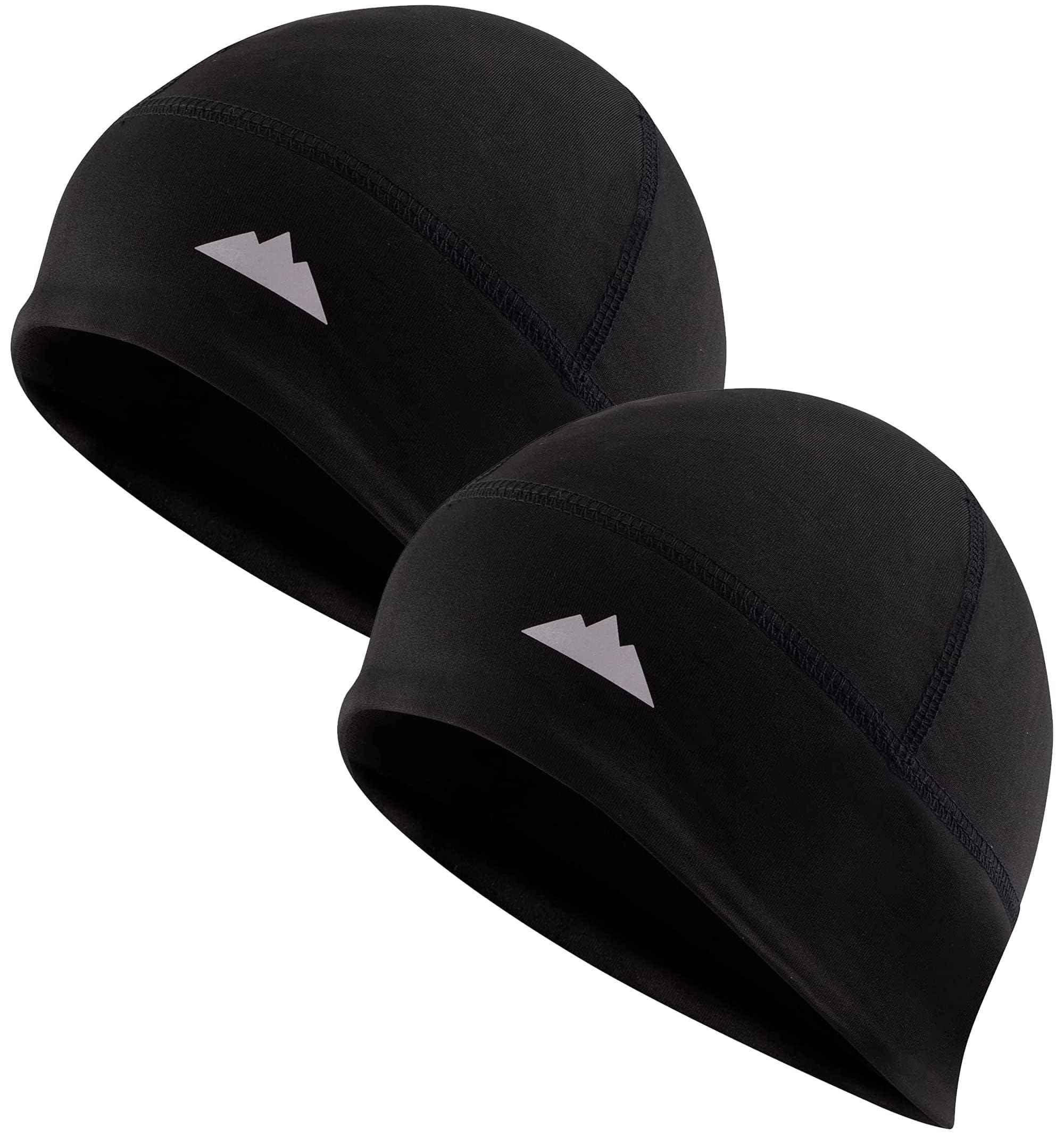
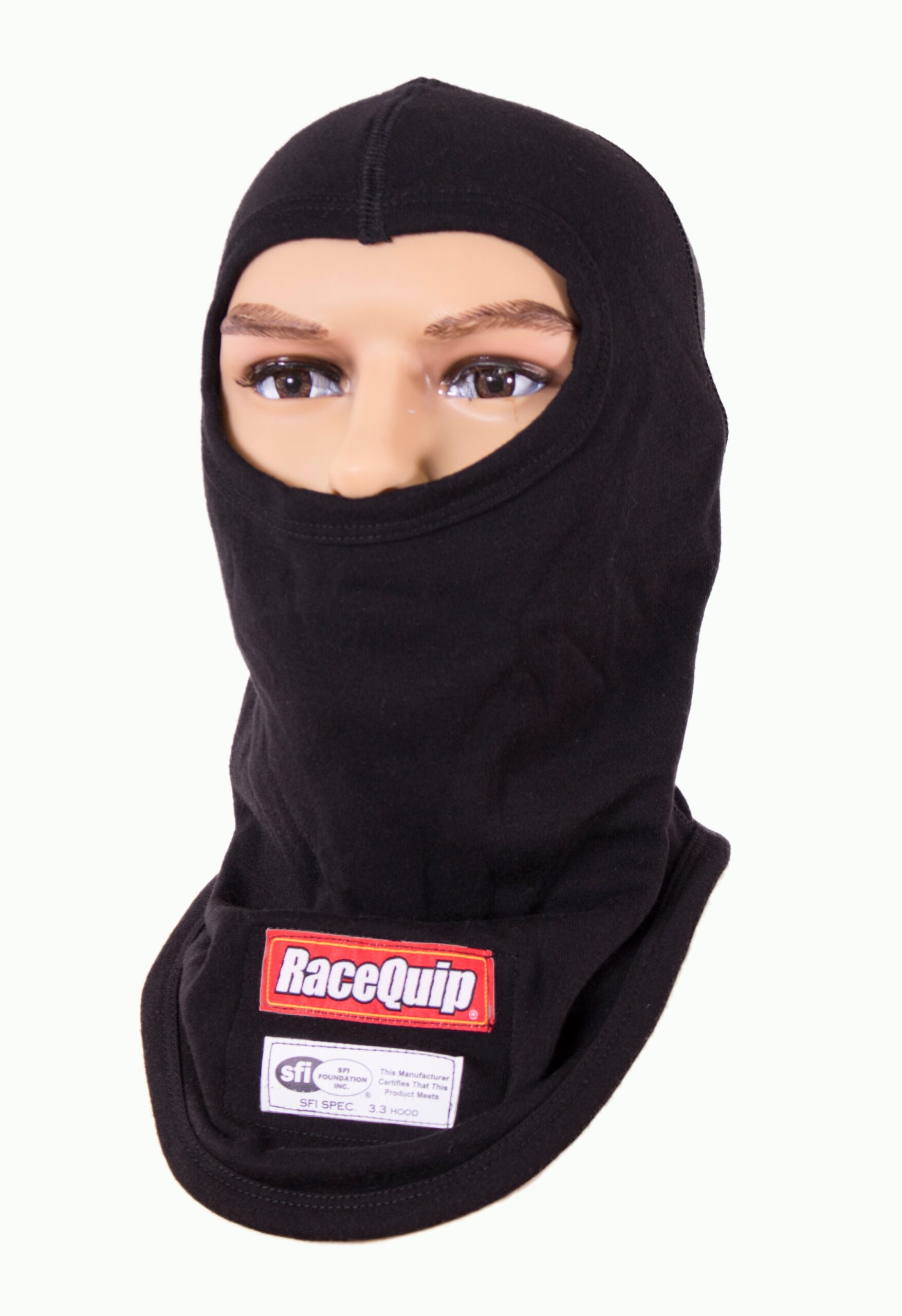
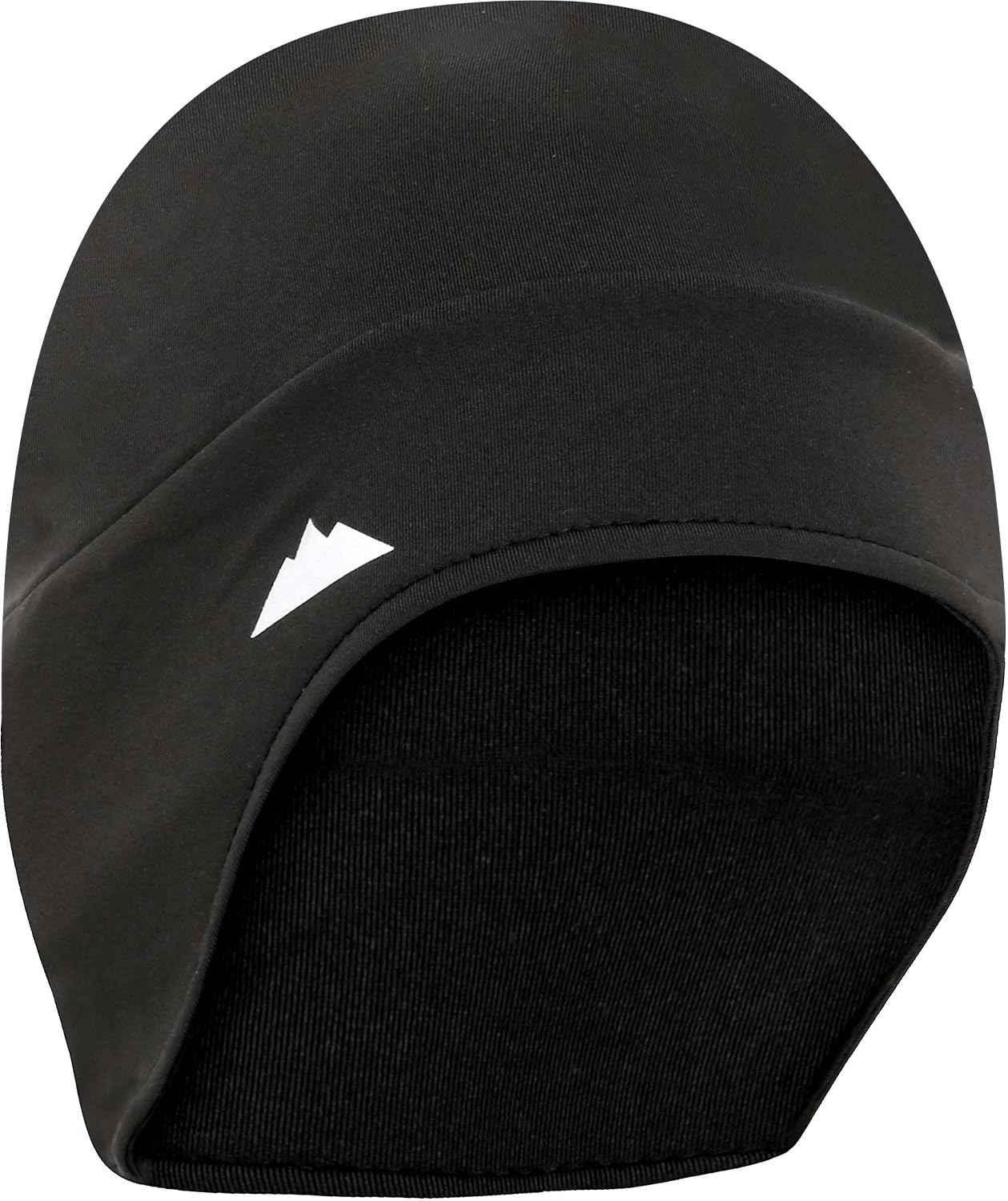
- Head sock or balaclava: helpful for comfort and hygiene, especially when renting or sharing helmets
- Driving gloves: optional for many beginners, but useful for grip and comfort
- Neck protection: usually not required for beginner HPDE, but advanced drivers should review organizer and safety-equipment requirements
For comfort and helmet hygiene, a basic head sock is useful for rented helmets or to protect your padding on hot days and during multi-session events.
Safety Gear Tips
Inspect all safety gear before each event. Replace damaged or expired equipment, verify helmet certification requirements, and keep your safety items together in a dedicated bag so they are easy to find during check-in.
Vehicle Preparation Checklist
Your vehicle preparation directly impacts consistency, reliability, and enjoyment. Complete the basics several days before the event so you have time to fix problems instead of discovering them in the paddock.
Vehicle Inspection Checklist
Complete this inspection two to three days before your event.
- Check tire tread depth and sidewall condition
- Inspect brake pad thickness and rotor condition
- Check brake fluid and clutch fluid where applicable
- Check engine oil level and condition
- Check coolant level and confirm the correct event requirements for coolant or water
- Confirm the battery is secure
- Inspect belts, hoses, and obvious leaks
- Check suspension components for looseness or damage
- Remove loose objects from the cabin and trunk
- Complete the organizer’s tech inspection process
Tire and Wheel Equipment
Tire pressures and wheel torque are two of the most common between-session checks. These are simple habits that improve consistency and help keep the car more predictable.
Quick Comparison: Starter HPDE Gear Priorities
If you are buying only a few tools before your first event, start with the items that solve common first-track-day problems.
Starter HPDE Gear Priorities
Use this table to decide what to buy first if you are building a practical track-day kit.
| Gear | Best For | Why It Matters | Priority |
|---|---|---|---|
| Tire Pressure Gauge | Managing cold and hot tire pressures | Helps keep handling predictable as tires heat up across sessions | High |
| Torque Wrench | Wheel checks | Confirms lug nuts are properly torqued before and between sessions | High |
| Portable Tire Inflator | Small pressure adjustments | Useful when paddock air is unavailable, busy, or inconvenient | Medium |
Always verify event requirements and your vehicle’s torque specifications before heading to the track.
Recommended Starter Gear
These are practical starter items that support consistency, preparation, and basic paddock self-sufficiency.
Ensure precise tire pressure readings with this accurate, built-to-last air pressure gauge that ranges from 0-60 PSI and includes a protective shock-resistant rubber bumper around the face of the gauge
Simple to use and features a large glow in the dark gauge face with easy to read numbers, high flex hose and includes both an angle and ball chuck, contains a built-in tire pressure deflator valve to drop your pressures.

This Craftsman 9-31425 1/2" Dr. MicroTork Torque Wrench 20-150 ft. lbs. is accurate to +/- 4%.
- Scales stamped into housing show inch/metric torque settings
- Twist ring with lock/unlock settings

A compact portable tire inflator with dual power options: rechargeable battery for cordless use or 12V DC vehicle power for longer sessions. It inflates up to 150 PSI, includes auto shut-off, a digital pressure display, built-in LED light, accessory storage, and a carrying bag—useful for HPDE paddock tire-pressure adjustments and everyday roadside backup.

Mechanical Tools and Supplies
Bring enough to handle normal checks and small paddock issues, but avoid overpacking tools you do not know how to use confidently.
- Tire pressure gauge
- Basic impact-wrench/drill driver, socket set, and wrenches that fit your vehicle
- Torque wrench for lug nuts
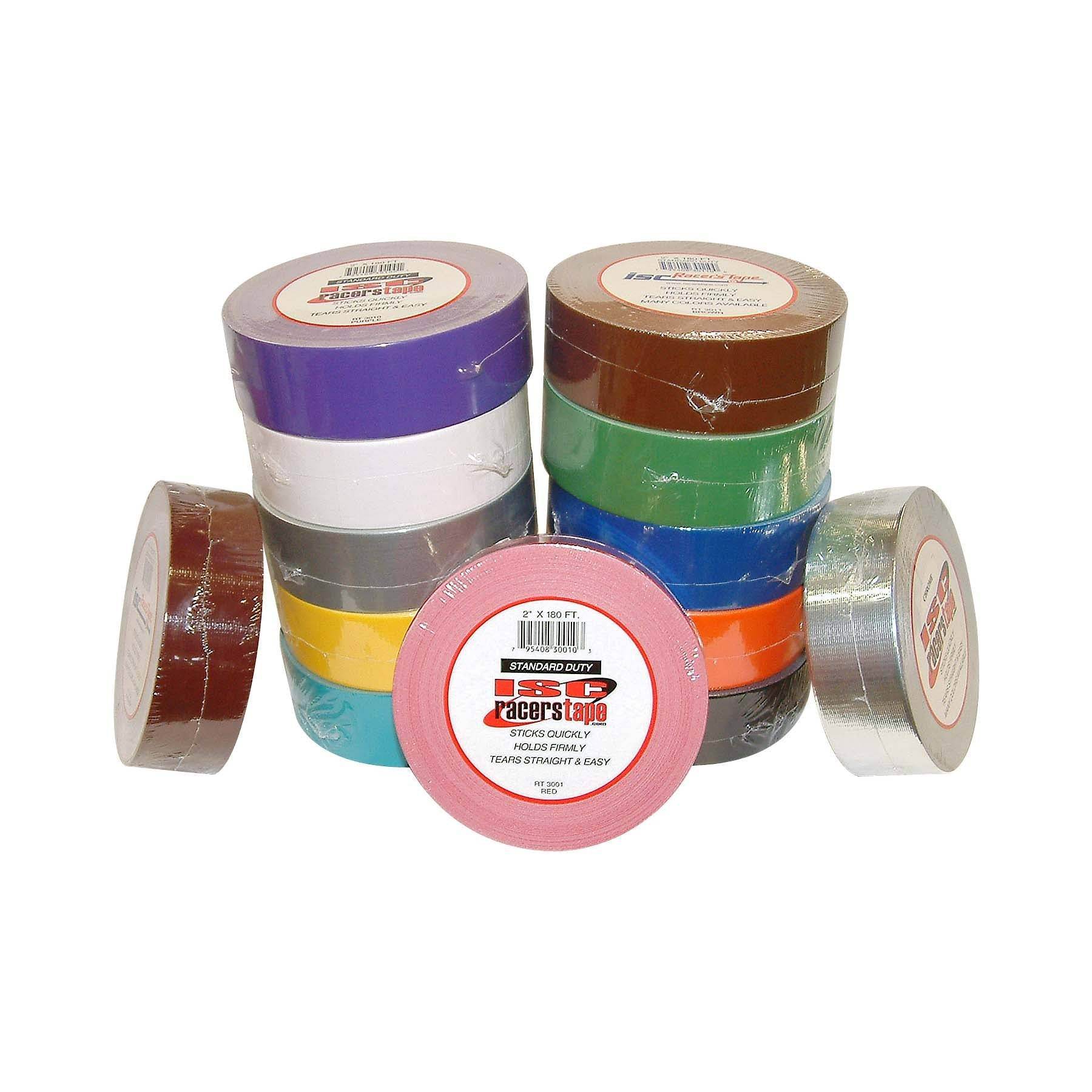
- Tape: painter’s, gaffer, duct, heat, and/or electrical
- Zip ties for temporary fixes
- Work gloves and disposable gloves
- Flashlight or headlamp
- Tarp, towel, or moving blanket for parts and tools
- Garbage bags for cleanup
- Optional: jack and jack stands
Fluids and Consumables
Bring only what makes sense for your car and the event. Beginners usually do not need a full race-shop supply cabinet, but a few basics are useful.
- One to two quarts of your preferred engine oil
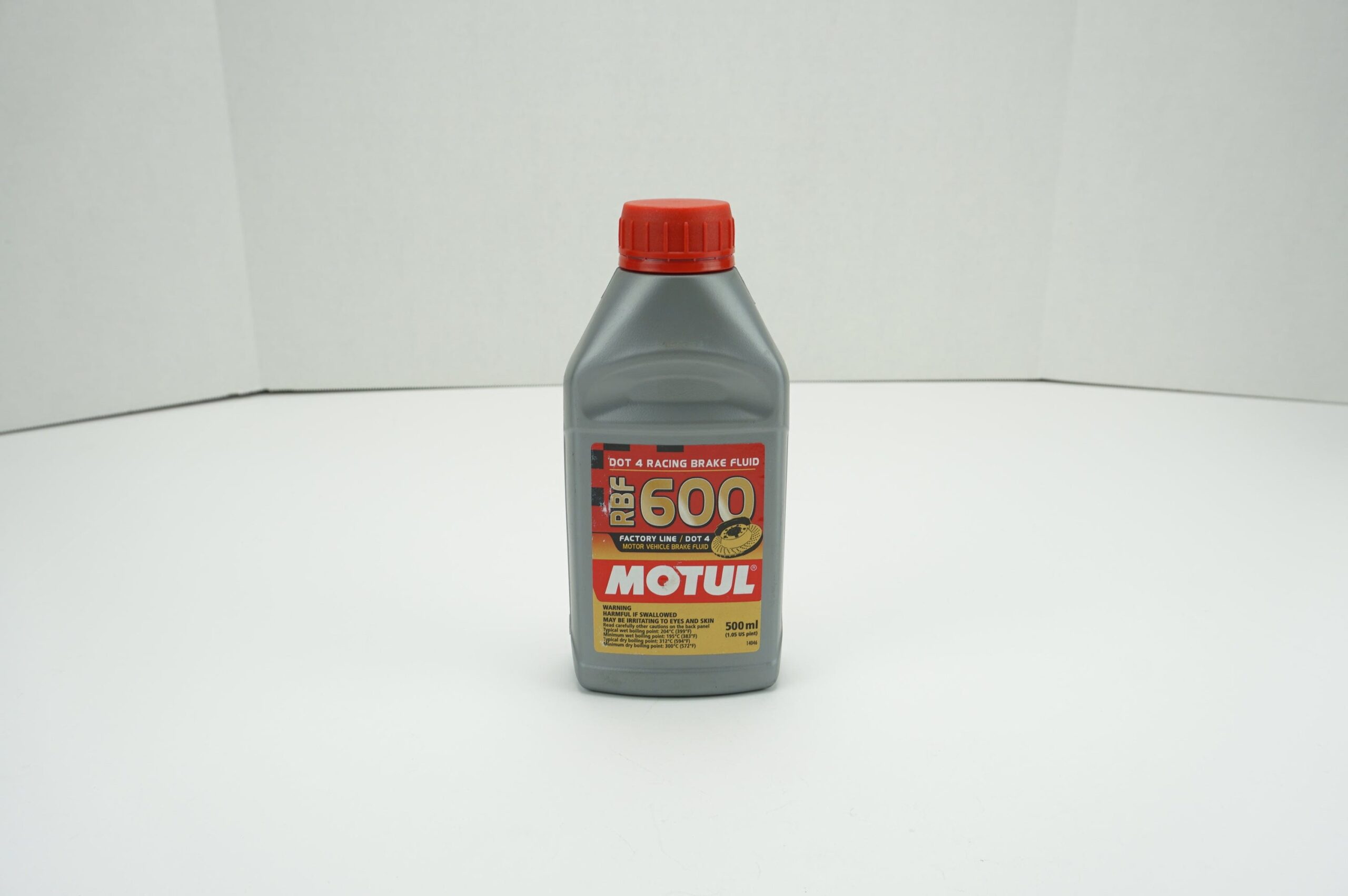
- Appropriate brake fluid if you are performing service before or after the event
- Vehicle-specific coolant or distilled water as required by the track or organizer
- Cleaning supplies and microfiber towels
- A small funnel, shop towels, and nitrile gloves

Personal Comfort and Convenience Items
Track days are physically and mentally demanding. Staying hydrated, shaded, fed, and organized helps you learn and drive better.
- Driver’s license and event paperwork
- Registration confirmation, waivers, and tech inspection forms
- Water and electrolyte drinks
- Easy snacks such as protein bars, fruit, or nuts
- Sunscreen, sunglasses, and a hat
- Folding chair
- Change of clothes
- First aid kit and personal medications
- Phone charger, power bank, and power strip where allowed
Organization and Documentation Tools
A simple note-taking routine can help you learn faster and remember what changed between sessions.
- Notebook and pen
- Track map
- Setup notes or tire-pressure notes
- Instructor feedback notes
- Lap timer or data logger if you already use one (see Basics of HPDE Racing Data Analyses)
- Action camera only if it does not distract from learning
Track Day Packing Strategy
Pack the night before and make the morning as simple as possible. Track days often start early, and rushing increases the chance of forgetting important items.
The Night Before
Use this pre-event routine to reduce stress.
- Charge phones, cameras, radios, and data devices
- Lay out helmet, clothing, shoes, and paperwork
- Pack food, water, and electrolytes
- Check tire pressures cold
- Confirm route, gate time, and drivers’ meeting time
- Set multiple alarms
Loading Your Vehicle
Keep frequently used items easy to reach and secure anything that could move during the drive.
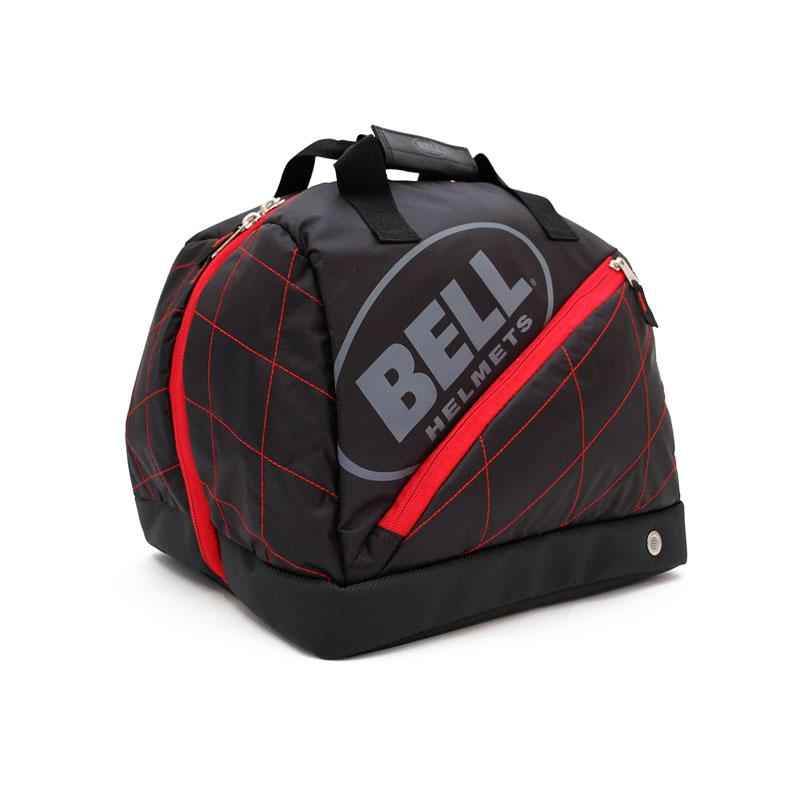
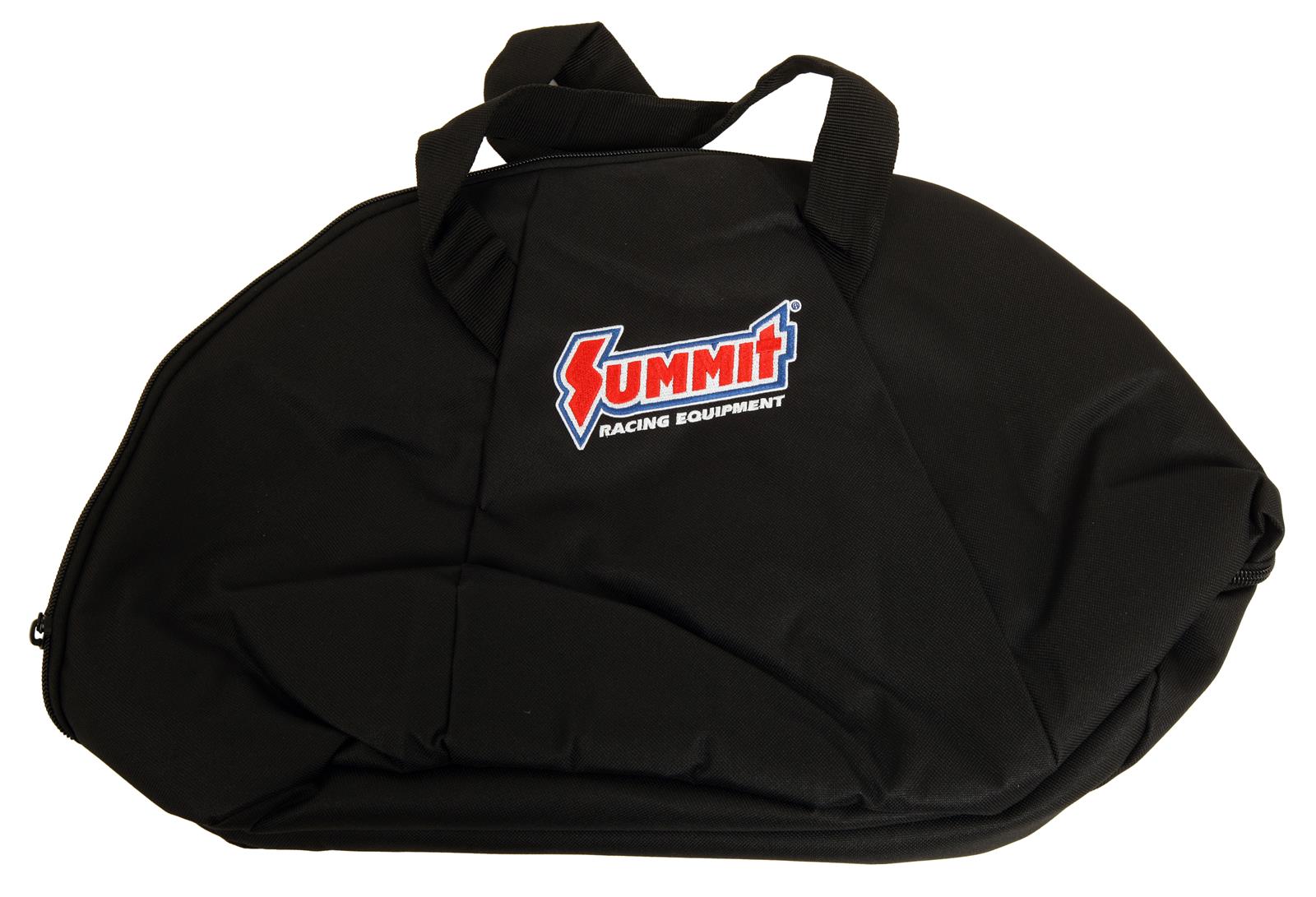
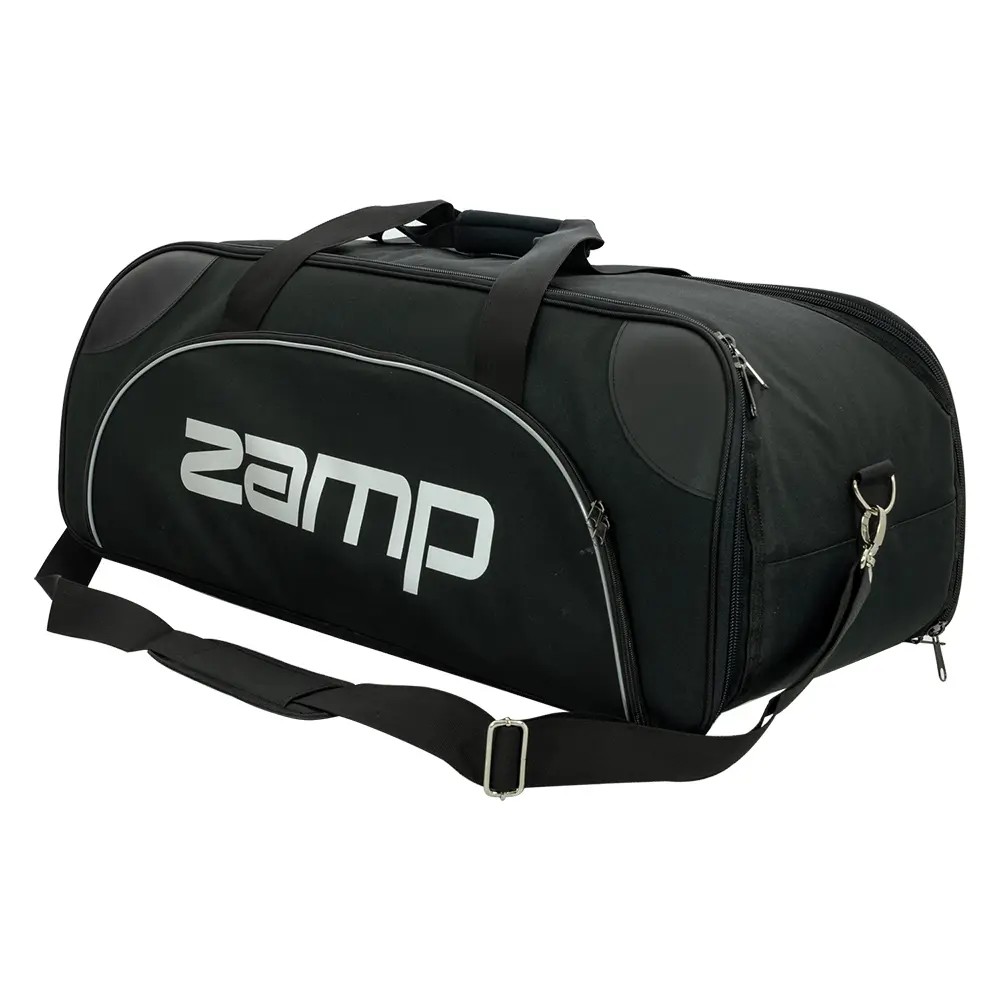
- Pack your helmet and small safety items in a dedicated helmet or gear bag
- Put paperwork and tech forms where you can access them quickly
- Pack tools together in a bag or tote
- Keep fluids upright and sealed
- Remove unnecessary items before going on track
- Secure anything left in the car during travel
A dedicated helmet or gear bag keeps your helmet, head sock, gloves, paperwork, and small accessories together so they are easy to access.

Arrival and Setup Tips
Arrive early enough to check in, unload, attend the drivers’ meeting, and meet your instructor without feeling rushed.
- Park in a stable paddock location
- Introduce yourself to neighboring drivers
- Set up your basic pit area
- Check in and complete any required inspection steps
- Attend the drivers’ meeting
- Ask questions early rather than guessing
Regional and Seasonal Considerations
Weather and track location can change what you need to bring.
Hot Weather Events
Hot events require extra attention to hydration, shade, and driver fatigue.
- Bring extra water and electrolytes
- Use cooling towels or ice packs
- Bring light-colored paddock clothing
- Use shade when available
- Monitor yourself for fatigue and dehydration
Cold or Wet Events
Cold and wet conditions change tire behavior, visibility, and paddock comfort.
- Bring warm layers
- Pack rain gear
- Bring extra towels
- Use waterproof storage for gear
- Consider anti-fog treatment for helmet visors
- Bring tarps or plastic bins to keep items dry
Budget-Friendly Packing Strategy
You do not need to buy everything at once. Borrow or rent where appropriate, then buy the items you actually use repeatedly.
- Rent a helmet if you are not ready to buy
- Borrow specialty tools from experienced friends when appropriate
- Prioritize required safety gear and basic paddock tools
- Pack your own food and drinks
- Add more specialized gear after a few events
Must-Have vs. Nice-to-Have Items
This simple split can help beginners avoid overbuying.
Must-Have Items
These are the items most first-time drivers should confirm before arriving.
- Helmet or confirmed rental
- Proper shoes and clothing
- Driver’s license and event paperwork
- Water and snacks
- Basic tools and tire-pressure plan
- Torque wrench or access to one
- A properly inspected car
Nice-to-Have Items
These can be useful but are not the first priority for every beginner.
- Dedicated racing suit
- Advanced data logging equipment
- Professional racing shoes
- Spare wheels and tires
- Large tool box
- Pop-up canopy
- Folding table
TrackMinded Take
Start with gear that improves preparation and consistency. For most beginners, a tire pressure gauge, torque wrench, and basic organization matter more than buying a large collection of rarely used specialty tools.
Beginner Gear Priority
Buy the tools you will actually use between sessions. You can add specialized gear later as your track-day routine becomes clearer.
Final Track Day Preparation Tips
A well-organized pit area helps you focus on driving instead of searching for tools. Use your notebook to record instructor feedback, tire pressures, setup changes, and personal goals after each session.
FAQ
What should I bring to my first HPDE?
Bring your driver’s license, event paperwork, required helmet or confirmed rental, water, snacks, basic tools, tire-pressure gauge, and any items required by your event organizer. Use this list as a starting point, then follow your event’s rules and tech-inspection requirements.
Do I need tools for my first track day?
You do not need a full race-shop tool kit. A tire pressure gauge, torque wrench, basic hand tools, tape, gloves, and a few supplies are enough for many first-timers. Have a qualified mechanic inspect the car if you are unsure about its condition.
Should I bring a tire pressure gauge?
Yes. Tire pressures change as tires heat up, and checking pressures between sessions helps you keep notes and make more consistent adjustments. Ask your instructor, organizer, or experienced drivers with a similar car for safe target ranges.
Do I need extra fluids?
Bring only fluids that make sense for your car and event. Engine oil, brake fluid for service, coolant or distilled water where appropriate, and cleaning supplies can be useful, but always follow your vehicle manufacturer’s guidance and event rules.
What should I avoid overpacking?
Avoid bringing bulky specialty gear you do not know how to use or will not need. Start with required safety gear, paperwork, hydration, tire-pressure tools, and basic paddock supplies, then add specialized items after a few events.
Ready to Hit the Track?
With a practical packing plan, you can arrive prepared, focus on learning, and enjoy the day. Start with the essentials, build your track-day kit over time, and prioritize preparation, instruction, and consistency.
Continue Your Track-Day Prep:
About TrackMindedHPDE
TrackMindedHPDE is a father-son HPDE and time-trial project focused on practical, clutter-free guidance for beginner and intermediate drivers. Our goal is to help drivers prepare well, learn faster, and enjoy track days with a safety-first mindset.
Disclaimer
For educational use only. This guide does not replace professional instruction, event rules, tech inspection requirements, vehicle-specific service guidance, or advice from a qualified mechanic. Always follow your event organizer’s rules and your vehicle manufacturer’s guidance.