 Skip to content
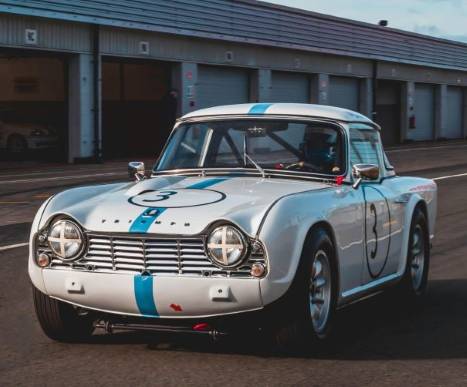
This guide helps you get started with HPDE events—how to sign up, how to prepare your car, what to bring, and what to expect on your first track day. The goal is simple: arrive prepared, learn quickly with an instructor, and drive home safely.
What HPDE Is (and What It Isn’t)
HPDE (High Performance Driver Education) is a structured, non-competitive track day where drivers learn car control, braking, cornering, vision, passing rules, and track etiquette with instruction. Most beginner groups include an instructor in the car, classroom sessions, and clear passing rules to keep things safe.
- HPDE is education, car control, awareness, and consistent driving.
- HPDE is not racing. You’re not competing for position or lap time.
New to HPDE? See our other guides on:
- Choosing an organizer
- Checking helmet rules
- Prepping your car
- Packing your track-day gear
- Reviewing beginner driving techniques
Quick-Start: Your First HPDE Roadmap
If you only read one section
- Pick an organizer + track date and register early.
- Confirm requirements (helmet rules, passing rules, tech inspection).
- Do basic car prep (fluids, brakes, tires, battery secure, no loose items).
- Pack smart (paperwork, hydration, tire gauge, torque wrench, basic tools).
- Arrive early, meet your instructor, and drive predictably—speed comes later.
Why Attend an HPDE Event?
- Learn track etiquette, flags, and passing rules in a controlled environment.
- Improve confidence, vision, braking technique, and smoothness.
- Meet experienced drivers who want newcomers to succeed.
- Learn how your car behaves in a controlled environment—without the risks of public roads.
How to Find and Register for Your First Event
Start with a reputable organizer that welcomes beginners and offers instruction. Register early, choose the true beginner run group, and read every email the organizer sends. Many organizers use MotorsportReg for registration.
- Confirm the event schedule, gate time, driver meeting time, and run group assignments.
- Review tech inspection requirements and whether you need a shop sign-off.
- Print or save confirmations, waivers, and schedule details.
What to Do Before the Event
Learn the Basics
- Learn flag meanings and basic passing/point-by rules.
- Watch a few in-car videos of the track if available (focus on reference points, not lap times).
- Show up rested and hydrated. Beginners get mentally overloaded fast.
Paperwork and Planning
- Bring your driver’s license and any required forms.
- Confirm helmet rules and clothing requirements before you arrive.
- Plan fuel: start full, know where the nearest station is, and bring payment methods that work at the track.
Basic Car Prep and Tech Inspection
For a first HPDE, you don’t need race-shop prep. You need a safe car with fresh fluids, solid brakes, healthy tires, and nothing loose inside the cabin.
Minimum Car Checklist
- Check engine oil level and condition.
- Check brake fluid (fresh and bled is better for track heat).
- Inspect brake pads/rotors and confirm you have enough pad thickness for the day.
- Inspect tires for tread, age, and damage; set conservative starting pressures.
- Ensure battery is secured and there are no obvious leaks.
- Remove all loose items from the cabin and trunk.
Tech Inspection
If your organizer requires a tech form, treat it like a safety checklist—not a formality. If you’re unsure, have a track-experienced shop inspect the car. See our post: HPDE Tech Inspection Checklist.
What to Bring to the Track
For a complete list, use the Track Day Packing List. For your first event, focus on paperwork, hydration, and a few basic tools.
Recommended Beginner Gear
These are useful day-one items that help you stay organized, consistent, and prepared between sessions. The list below explains what each item does and why beginners may want it at the track.
- Tire pressure gauge — pressures rise as tires heat up; checking consistently helps keep the car predictable.
- Torque wrench — wheel safety checks before the first session and between sessions as needed.
- Portable tire inflator — helpful when paddock air is busy, far away, or unavailable.
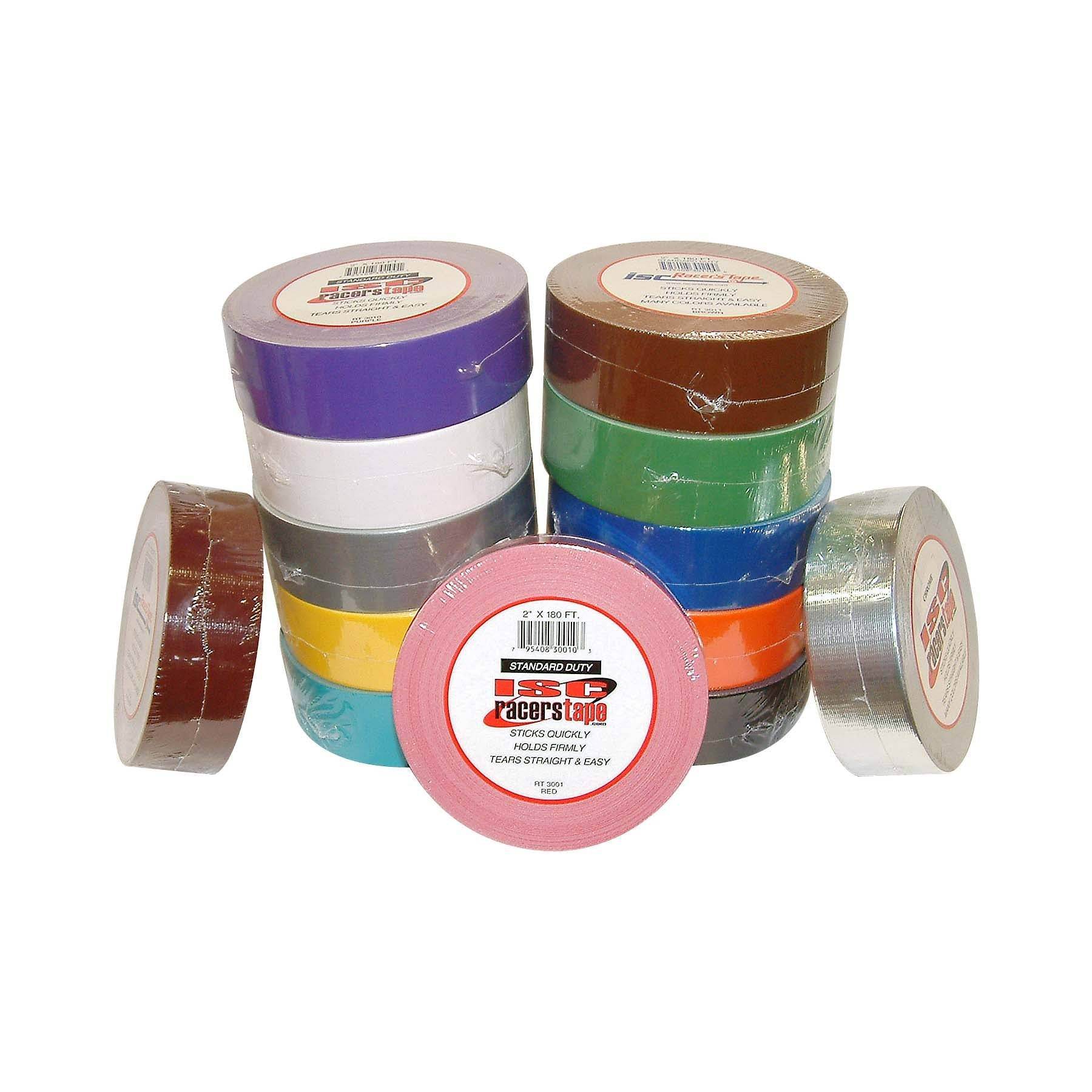
- Tape: painter’s, gaffer, duct, heat, and/or electrical – handy and used more than you can imagine for a variety of tasks
- Folding chair — long days are easier when you can sit, hydrate, and reset between sessions.
- Helmet — requirements vary by organizer; verify accepted ratings and dates before you buy.
Ensure precise tire pressure readings with this accurate, built-to-last air pressure gauge that ranges from 0-60 PSI and includes a protective shock-resistant rubber bumper around the face of the gauge
Simple to use and features a large glow in the dark gauge face with easy to read numbers, high flex hose and includes both an angle and ball chuck, contains a built-in tire pressure deflator valve to drop your pressures.

This Craftsman 9-31425 1/2" Dr. MicroTork Torque Wrench 20-150 ft. lbs. is accurate to +/- 4%.
- Scales stamped into housing show inch/metric torque settings
- Twist ring with lock/unlock settings

A compact portable tire inflator with dual power options: rechargeable battery for cordless use or 12V DC vehicle power for longer sessions. It inflates up to 150 PSI, includes auto shut-off, a digital pressure display, built-in LED light, accessory storage, and a carrying bag—useful for HPDE paddock tire-pressure adjustments and everyday roadside backup.

What to Expect on Event Day
- Check-in, wristbands/waivers, and paddock parking.
- Driver meeting (flags, passing, safety rules, schedule).
- Instructor introduction (in beginner groups).
- Multiple on-track sessions separated by cooldown and prep time.
First-Session Tips and Instructor Etiquette
- Tell your instructor your experience level and goals. Ask how they prefer to give feedback.
- Drive predictably and focus on smooth inputs (brake/turn/throttle).
- Use point-bys early and often—don’t “defend” position.
- If you feel overloaded, say so. Back off and reset.
Common Beginner Mistakes
- Trying to go fast before learning the line and flags.
- Forgetting hydration and food (fatigue = mistakes).
- Skipping tire-pressure checks between sessions.
- Ignoring brake feel changes (long pedal = stop and inspect).
- Overdriving corners instead of building consistency.
What to Do After the Event
- Write down instructor feedback while it’s fresh.
- Check tires and brakes for unusual wear.
- Top off fluids as needed and inspect for leaks.
- Consider basic data analysis if you want to improve consistency.
FAQ
What should I bring to my first HPDE event?
Bring your driver’s license and required paperwork, a Snell-approved helmet (or confirm rentals), water/electrolytes, snacks, and a few basic tools—especially a tire pressure gauge and a torque wrench. Use the Track Day Packing List for the full checklist.
Is HPDE racing?
No. HPDE is driver education on a closed course. It’s non-competitive, with instructors (in beginner groups) and strict passing rules. Your goal is learning and safety—not lap records or winning.
What helmet do I need for HPDE?
Most organizers require a Snell-rated helmet within an accepted date range, but rules vary. Some events offer rentals, so check your organizer’s requirements before buying.
Will HPDE damage my car?
Track driving increases wear—especially brakes, tires, and fluids. Good preparation and conservative driving dramatically reduce risk. Stop immediately if you notice brake fade, fluid leaks, or unusual noises.
What tire pressure should beginners run?
Start conservatively, check hot pressures immediately after each session, and ask your instructor, organizer, or an experienced driver with a similar car for a safe target range.
Continue Your Track-Day Prep
Disclaimer
For educational use only. This guide does not replace professional instruction, event rules, tech inspection requirements, vehicle-specific service guidance, or advice from a qualified mechanic. Always follow your event organizer’s rules and your vehicle manufacturer’s guidance.