 Skip to content
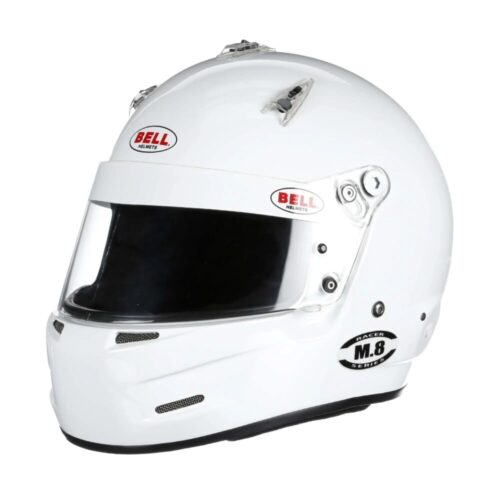
HPDE helmet requirements vary by event organizer, track, car type, run group, and sometimes vehicle setup. This guide helps first-time HPDE drivers understand Snell ratings, rentals, fit, and what to check before arriving at a track day. It is a practical starting point, not a replacement for your event rulebook, tech inspection, or advice from a qualified safety-equipment provider.
Quick Answer: What Helmet Do You Need for HPDE?
What first-time drivers should check
- Check your event organizer’s helmet rules before buying
- Look for an automotive Snell SA rating when the event requires it
- Confirm the accepted Snell year before event day
- Renting or borrowing may be smarter for your first event
- Fit matters more than brand or graphics
- Bring the helmet to tech inspection if your event requires it
Why HPDE Helmet Rules Vary
There is no single helmet rule that applies to every HPDE event. Different organizers may accept different Snell years, require different helmet types, or set different rules for novice groups, advanced groups, convertibles, race seats, harnesses, and other vehicle setups.
Some novice-friendly events offer rentals so first-time drivers can try HPDE before buying gear. Other events expect every driver to bring an approved helmet to check-in or tech inspection. Before buying or borrowing a helmet, read the event page, tech sheet, and confirmation emails carefully.
- Some novice events offer helmet rentals
- Some events allow M-rated helmets while others require SA-rated helmets
- Convertibles, harnesses, race seats, and advanced groups may have additional requirements
- The event organizer’s written rules should guide your decision
Snell SA vs M Ratings: What First-Time Drivers Should Know
Snell ratings are one of the most common things new HPDE drivers see in helmet rules. In plain language, SA generally refers to automotive sports use, while M generally refers to motorcycle use. Many car-track events prefer or require an SA-rated helmet, but organizer rules decide what is accepted at your event. However, what is acceptable to them, may not be acceptable to you, err on the side of safety over cost or convenience.
Do not assume a motorcycle helmet will be accepted just because it is new, expensive, or comfortable. Check the label inside the helmet, confirm the Snell rating and year, and compare it with the organizer’s written requirements before event day.
Quick Answer: Should You Rent an HPDE Helmet?
Rent if:
- This is your first event
- You are not sure you will continue doing HPDE
- You want to try fit before buying
For a first event, renting can be a practical choice if the organizer offers helmets and you are not sure you will continue doing HPDE. Borrowing may work only if the helmet fits, is undamaged, and meets the event’s rules. Buying makes more sense if you expect to attend more track days and have time to confirm sizing before the event.
- Rent if you are unsure you will keep doing HPDE
- Renting can also be a way to test out various helmet brands and models
- Borrow only if the helmet fits, is undamaged, and meets event rules
- Buy if you expect to attend more events
- Do not buy solely based on price or appearance
- Check return policy and sizing before ordering online; helmets are often harder to return, especially if opened
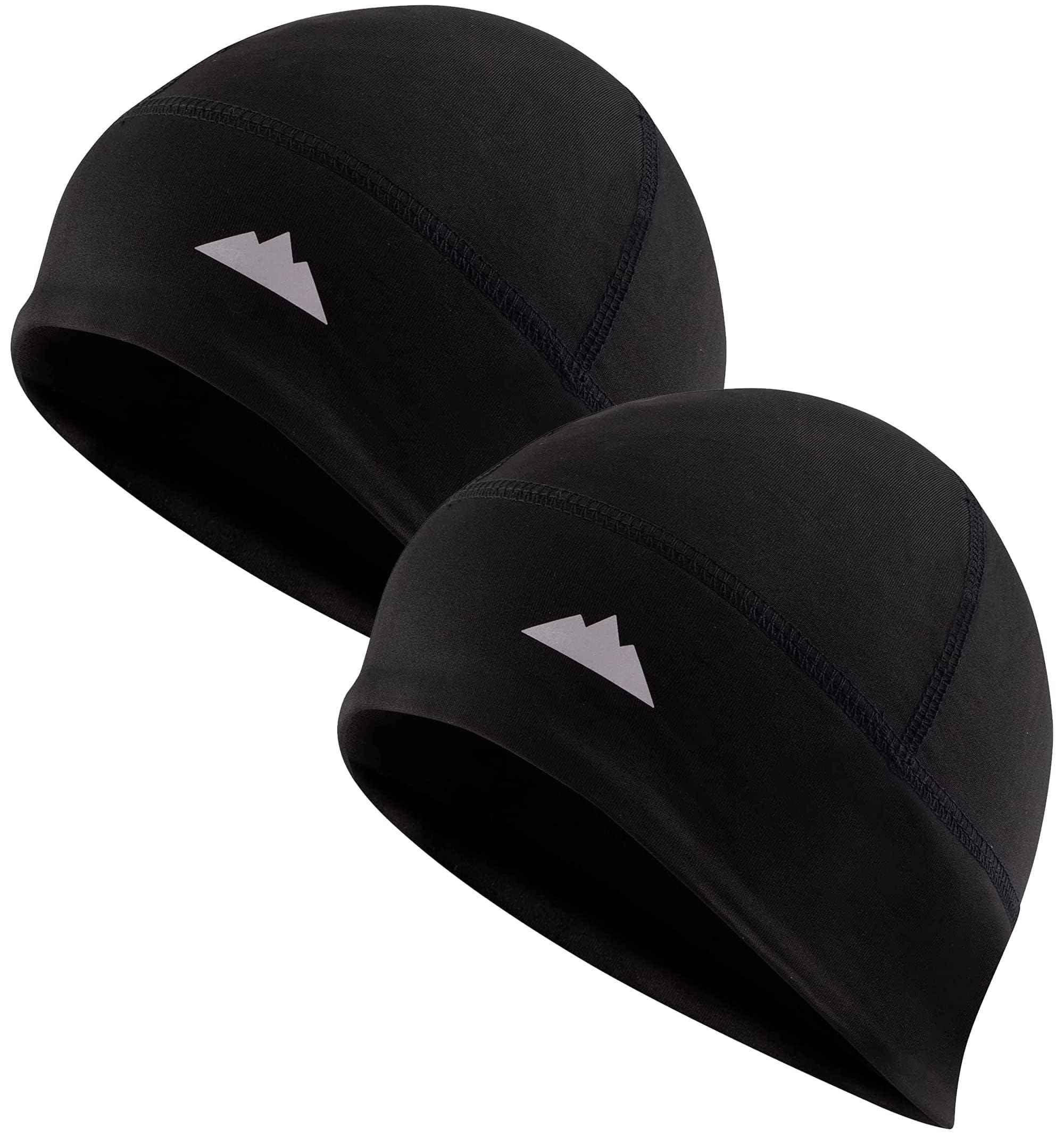
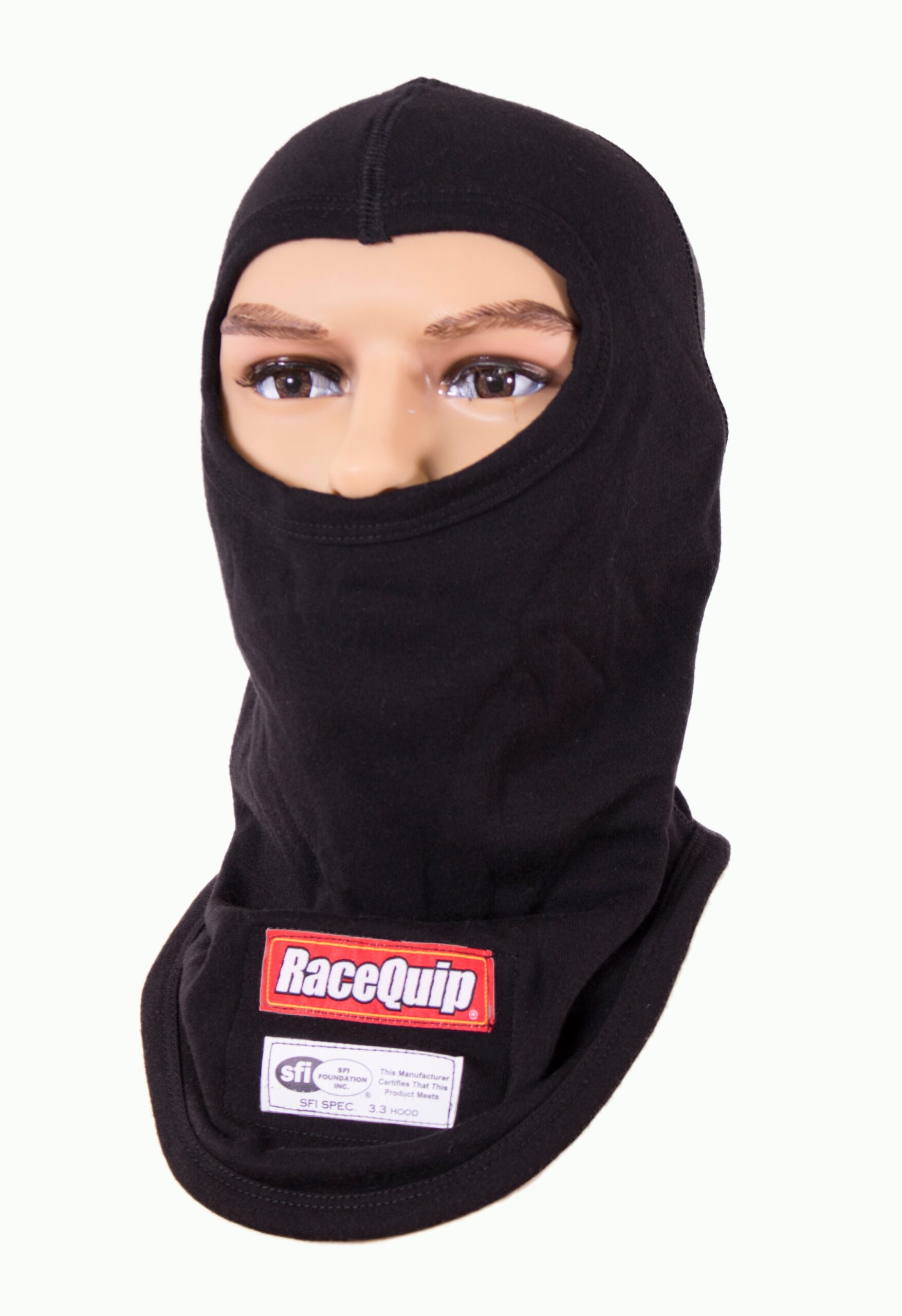
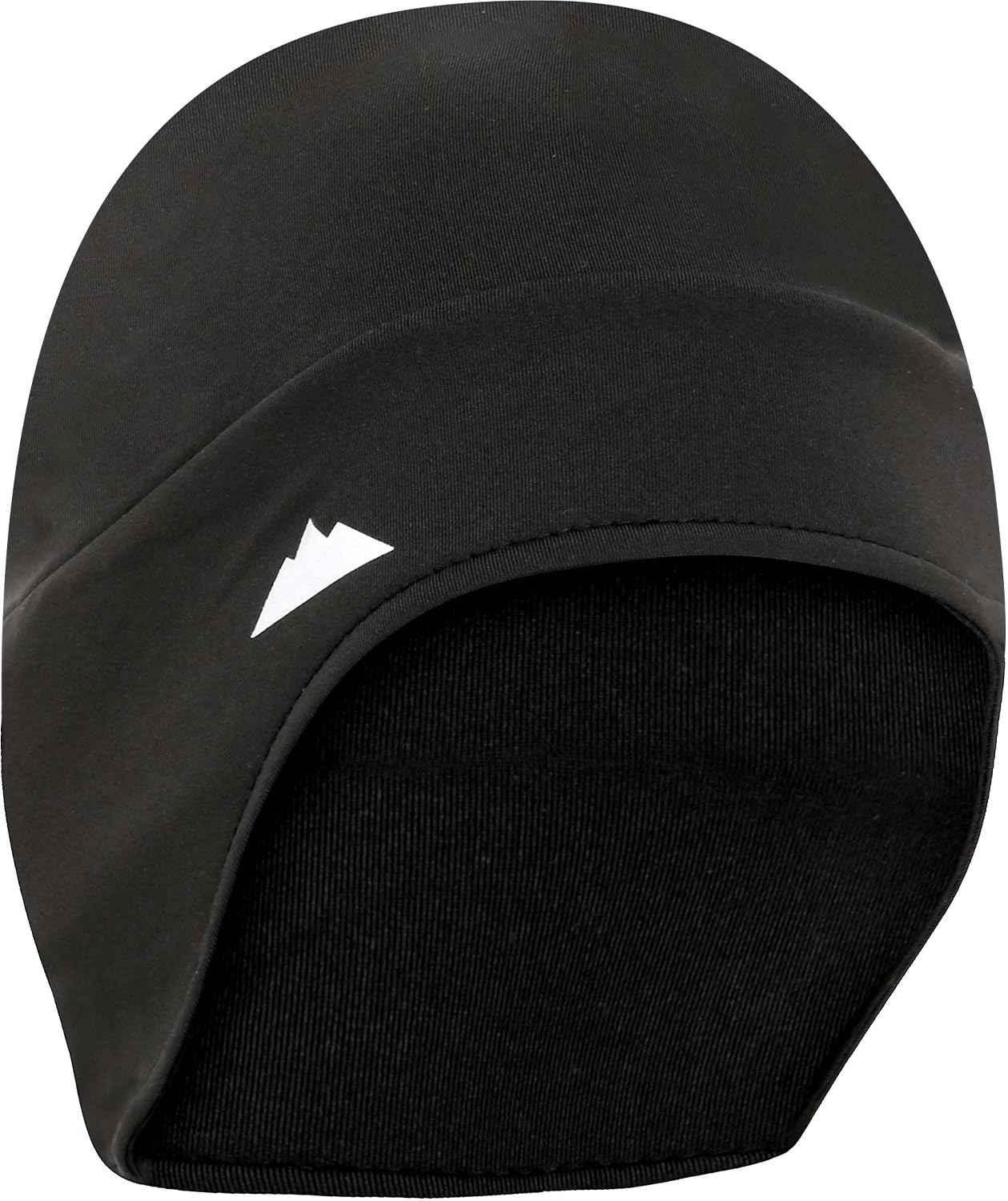
Keep Yourself Cool and Your Helmet Liner Dry!
Helmet Buying Checklist
Use this checklist before buying or bringing a helmet to your first HPDE.
- Confirm the accepted Snell rating and year
- Choose full-face unless your organizer clearly allows open-face and that is acceptable to you
- Check fit before event day
- Make sure the helmet is undamaged
- Confirm return policy before ordering online
- Bring the helmet to tech inspection if required
How a Helmet Should Fit
A helmet should feel snug and secure without painful pressure points. New helmets often feel firm at first, but they should not create major hot spots or move easily when you shake your head.
- Snug, even pressure around the head
- No major hot spots
- Does not rotate easily
- Cheek pads contact firmly
- Chin strap secures cleanly
Common First-Timer Helmet Mistakes
- Buying before reading the event rules
- Assuming a motorcycle helmet will be accepted
- Ignoring the Snell year
- Ordering too late before the event
- Choosing graphics over fit
- Bringing a damaged or expired helmet
- Forgetting to bring the helmet to tech inspection, or worse, the track day
TrackMinded Take
For your first HPDE, the best helmet is the one that fits properly, meets your event organizer’s rules and your own safety needs, and arrives early enough for you to test the fit before the event. If you are not sure you will keep doing track days, ask about rentals first.
FAQ
What helmet rating do I need for HPDE?
Check your event organizer’s rules first. Many car-track events prefer or require an automotive Snell SA rating, but accepted ratings and years vary by organizer, track, run group, and vehicle setup.
Can I use a motorcycle helmet for HPDE?
Maybe, depending on the organizer. Some events may accept certain M-rated helmets, while others require SA-rated helmets. Do not assume a motorcycle helmet will be accepted; compare the label inside the helmet with the event’s written rules.
Should I rent a helmet for my first track day?
Renting can be smart if your organizer offers rentals and you are not sure you will keep doing HPDE. It can also be a way to test out various helmet brands and models. Confirm availability, sizing, cost, and reservation rules before event day.
How do I know if my helmet fits correctly?
A helmet should feel snug with even pressure, firm cheek-pad contact, and little rotation when you move your head. It should not create major hot spots or shift easily with the chin strap secured.
Where do I find the Snell rating on a helmet?
Look for the certification label inside the helmet under the padding, not just the product listing or box. Confirm the Snell rating and year against your organizer’s accepted list before using it at an event.
Do HPDE helmet rules change by organizer?
Yes. Helmet rules can vary by year, organizer, track, run group, vehicle type, convertible rules, seat or harness setup, and event format. Always follow the organizer’s written requirements.
Continue Your Track-Day Prep
Educational Disclaimer
For educational use only. This guide does not replace professional instruction, event rules, tech inspection requirements, vehicle-specific service guidance, or advice from a qualified safety-equipment provider. Always follow your event organizer’s rules and the helmet manufacturer’s guidance.