 Skip to content
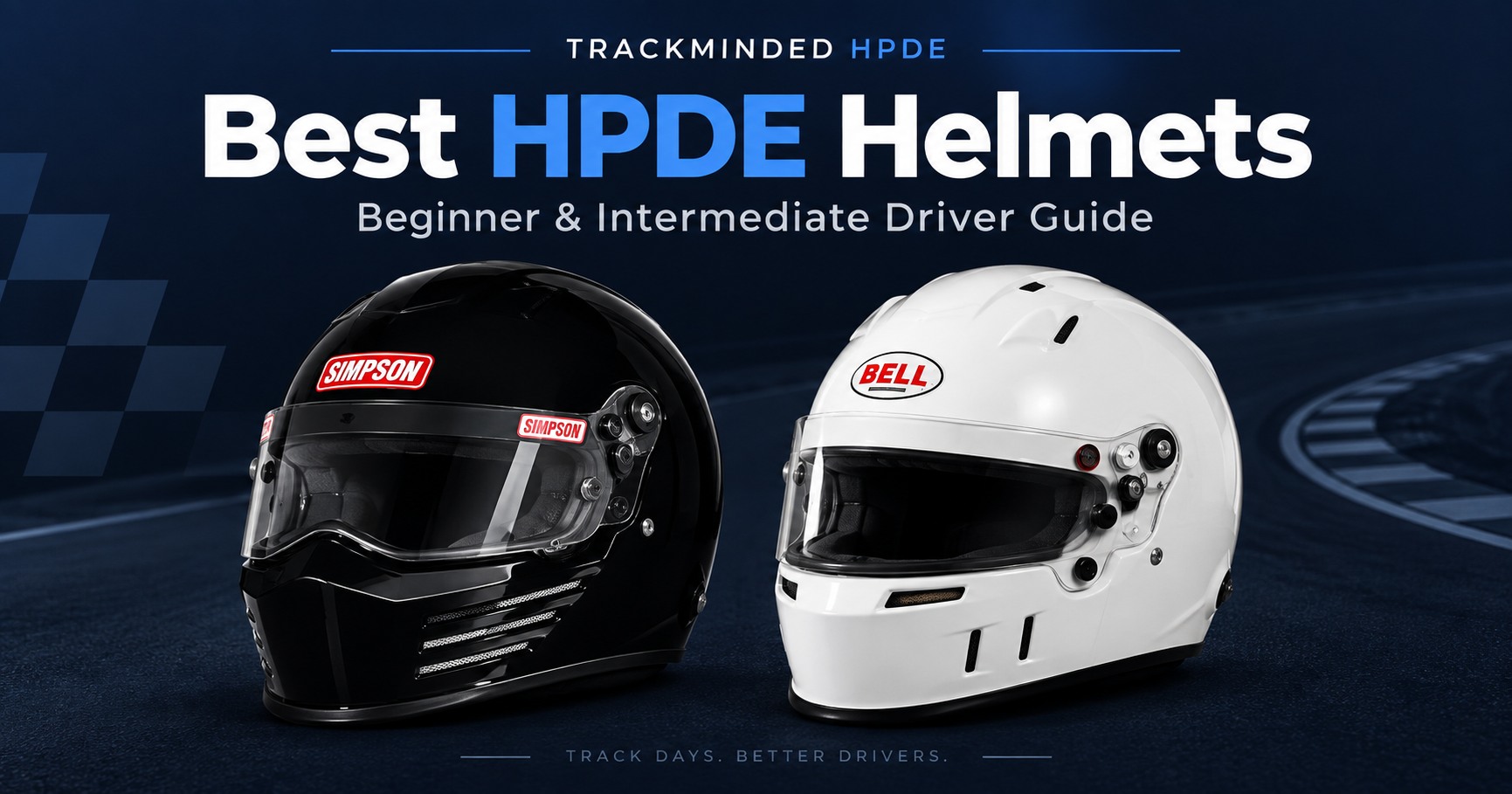
This guide is for beginner and intermediate HPDE drivers who want practical guidance on choosing a helmet. The best HPDE helmets balance current certification, proper fit, organizer acceptance, and a price point that makes sense for how often you participate.
For a more thorough explanation of helmet standards and HPDE requirements, see our HPDE Helmet Requirements guide.
Note: product details change. Check the label inside the helmet, the manufacturer’s current documentation, and your organizer’s rules before buying.
How to Choose a Helmet for HPDE Events
Start with event rules, then evaluate fit, usability, and future needs. A helmet should meet the requirements for your event, fit your head securely, provide useful visibility in your driving position, and remain comfortable through repeated track sessions.
- Check the label inside the helmet and confirm organizer acceptance
- Check whether open-face helmets, if desired, are allowed for your event and vehicle
- Confirm fit using the manufacturer’s sizing guidance and, when possible, an actual try-on
- Evaluate visibility, ventilation, weight, liner comfort, durability, and likely future uses
For many first-time HPDE drivers, a straightforward full-face helmet is a practical starting category. It provides more facial coverage than an open-face design and can remain useful as track-day participation and experience grow. A lower-cost helmet is not a good value if it creates painful pressure points or poor visibility. However, a common mistake is getting a helmet that is too loose. Confirm proper fit for saftey.
Budget, Midrange, and Premium Helmet Tradeoffs
A starter helmet can be appropriate when it meets the event rules, fits correctly, and provides useful visibility and comfort. If you out grow it quickly, it can serve as a spare or for guests. A midrange helmet may offer a better balance for drivers who expect to attend more events, while a premium helmet is easier to justify when lower weight, refined fit, and long-session comfort matter more.
Features to Consider After Fit and Rules
- Lower weight to reduce fatigue over a full track day
- Better ventilation for hotter conditions and longer sessions
- More comfortable and durable liners, cheek pads, and interior materials
- An eyeport shape that works well with the driver’s seating position and eyewear, if any
- More refined visor hardware and replacement-part support
- Compatibility with future communication, hydration, or head-and-neck restraint needs, when relevant
When Possible, Try It On!
- Wear the helmet for several minutes and check for painful pressure points
- Confirm that the secured helmet does not rotate excessively in either direction
- Check visibility in a seated driving position, in your car when possible
- Confirm that any eyewear fits comfortably and correctly
Current SA2025 Entry and Mainstream Full-Face Candidates
Current SA2025 candidates to research: RaceQuip PRO25, Simpson Bandit SA2025, Bell K1 Sport, and Bell M8 Sport. These are models to evaluate, not specific product suggestions.
The Bell M8 Sport may be especially useful to compare when outward visibility is a priority, while the Bell K1 Sport represents a more conventional entry/mainstream full-face option.
Step-Up SA2025 Helmets for Frequent HPDE Use
Drivers who expect to attend track days regularly may benefit from comparing helmets designed around more frequent use. Weight, ventilation, eyeport shape, visor operation, and liner comfort can matter more over a full season.
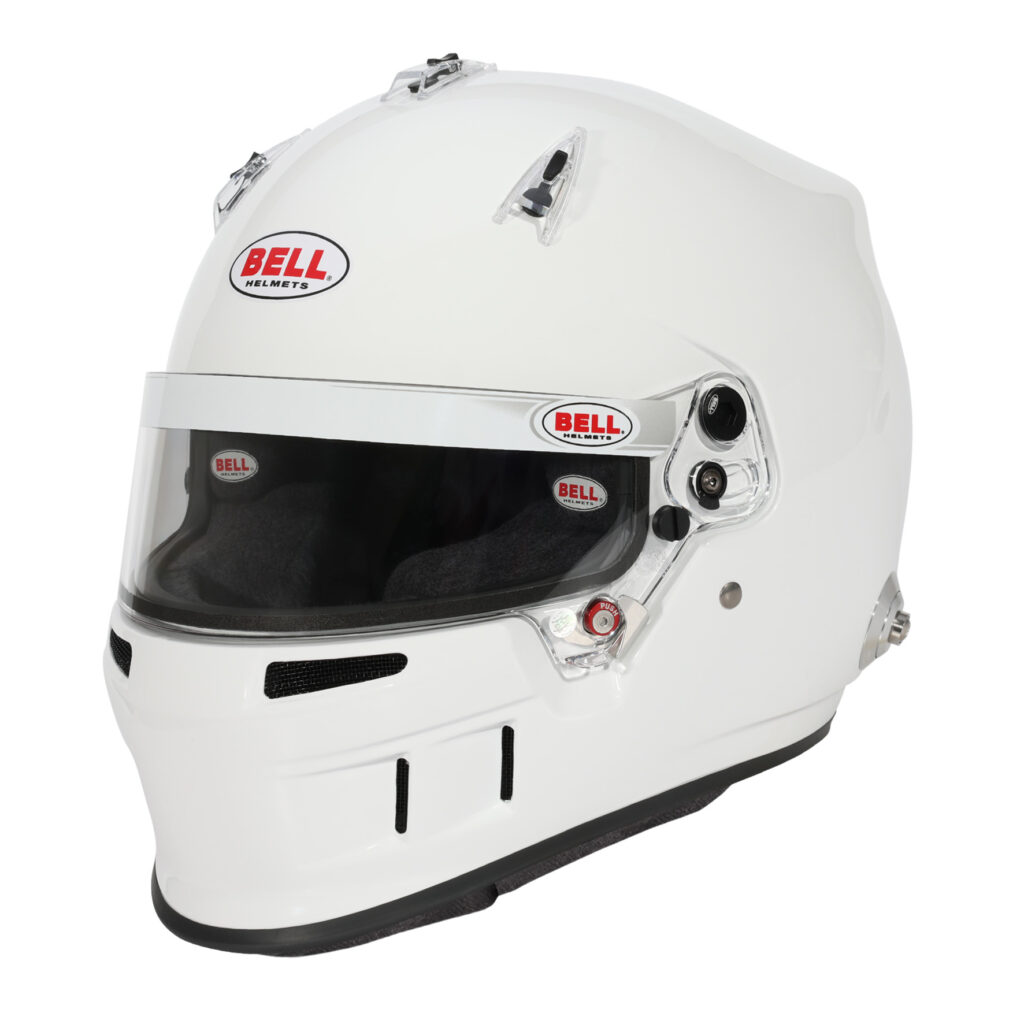
Current SA2025 candidate to research: Bell XR7 Pro. This is a step-up model to compare and may be useful as the current successor to the older Bell GP3 line drivers may be familiar with.
This category is not necessary for every beginner. It may suit someone who expects repeated events, has confirmed that the helmet shape works for their head, and values more long-term comfort than a basic starter model may provide.

We may earn a commission from qualifying purchases made through these links, at no additional cost to you.
Legacy and Non-Core Models to Research Separately
Some well-known helmets remain useful as context but are not part of the forward-looking SA2025 core candidate set. These are currently listed as SA2020, to research separately, with the actual certification label and organizer acceptance checked before purchase.
- G-FORCE REVO: legacy full-face model to research separately
- Zamp RL-70E: distinct full-face model designed to provide a more open feel
- Arai GP-5W: optional premium legacy example
These examples are included for context only. Check the label inside the helmet and your organizer’s rules before deciding whether any older-standard model fits your use case.
Open-Face Helmets
Open-face helmets can feel less restrictive and may simplify communication in some street-car HPDE environments. They remain a rule-and-organizer caveat category because acceptance can depend on safety considerations, organizer, vehicle, event format, and current rules.
Examples to research: Bell Sport Mag, G-FORCE Nova OF, Zamp RZ-18H, and RaceQuip OF20. These are caveat examples only and are not part of the SA2025 core candidate set.
Do not assume that an open-face helmet accepted by one organization will be accepted everywhere. Consider whether a full-face helmet offers a more flexible long-term path.
Best HPDE Helmet Accessories Worth Considering
- Helmet bag for storage, protection, and transport
- Head sock or balaclava to help protect the liner from sweat and improve comfort and hygiene
- Basic helmet-safe cleaning supplies
- Spare hardware and configuration tools
Optional helmet storage and transport options
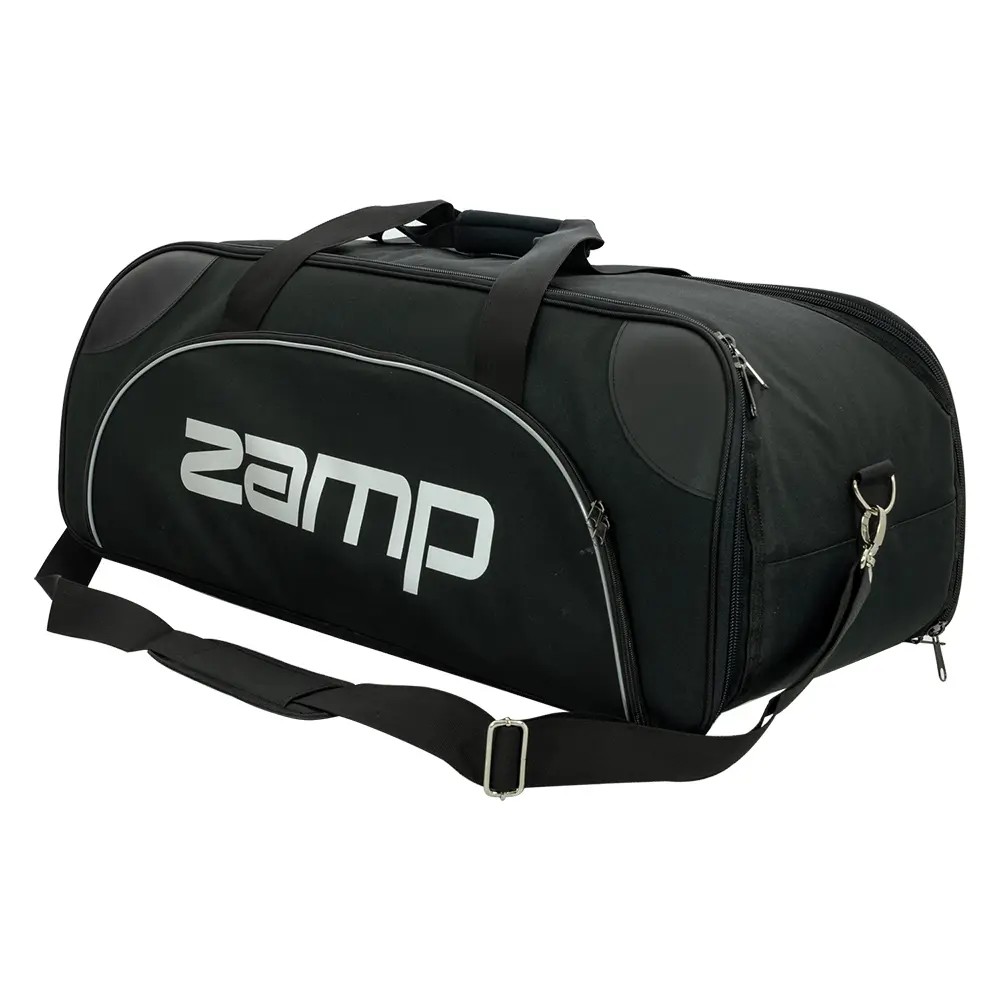
A helmet bag is optional, but it can help keep your helmet protected in the garage, trailer, paddock, and on the drive to the track.
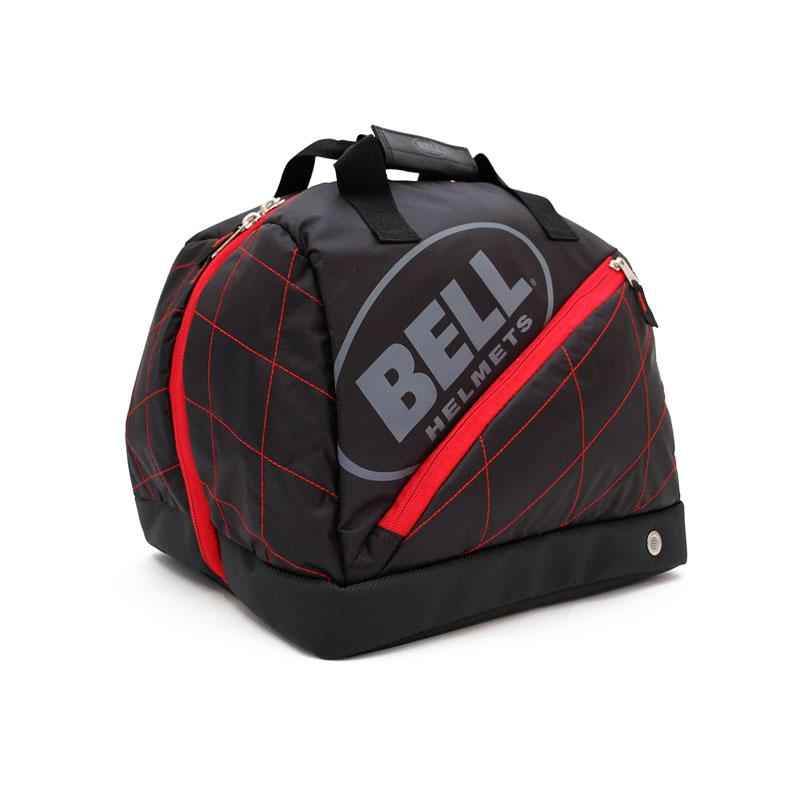
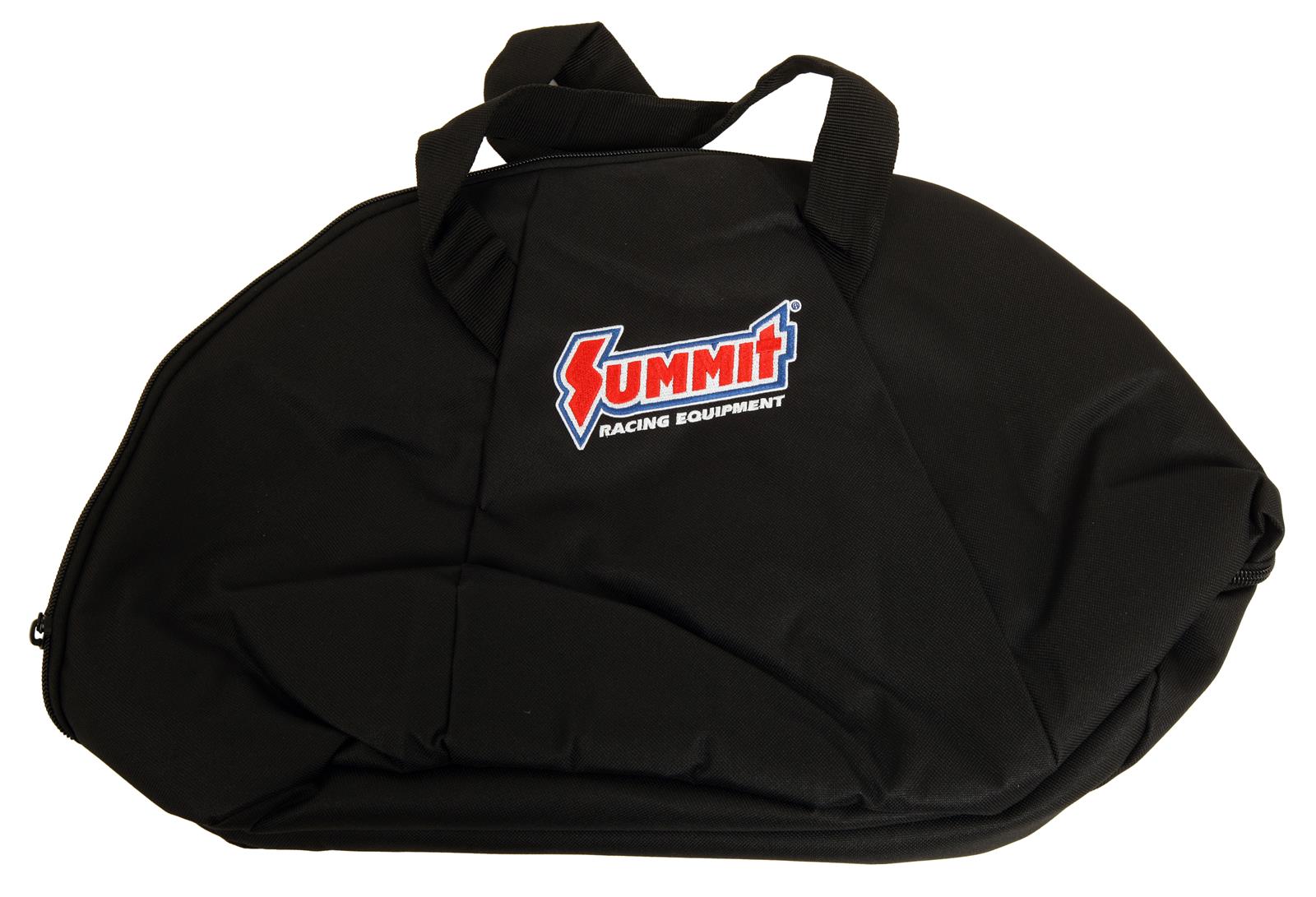

We may earn a commission from qualifying purchases made through these links, at no additional cost to you.
Continue Your Track-Day Preparation
- HPDE track day packing list
- HPDE first-timer checklist
- Getting Started with HPDE Events
- HPDE tech inspection checklist
FAQ
What type of helmet should most beginners evaluate first?
A current SA2025 full-face starter category is a practical first place to look, because it offers more facial coverage and can remain useful as a driver attends more events.
Should a beginner buy a premium helmet?
A premium helmet may make sense for a driver who expects frequent events and values comfort, weight, ventilation, and long-session wear. It is not automatically the right choice when track-day plans are still tentative.
Are open-face helmets acceptable for HPDE?
Acceptance is organizer-dependent and may also vary by vehicle or event format. Check the label inside the helmet and confirm the rules for your event before buying or using one.
Disclaimer
For educational use only. This guide does not replace professional instruction, event rules, tech inspection requirements, vehicle-specific guidance, or advice from a qualified safety-equipment provider. Always follow your event organizer’s rules and the helmet manufacturer’s guidance.