 Skip to content

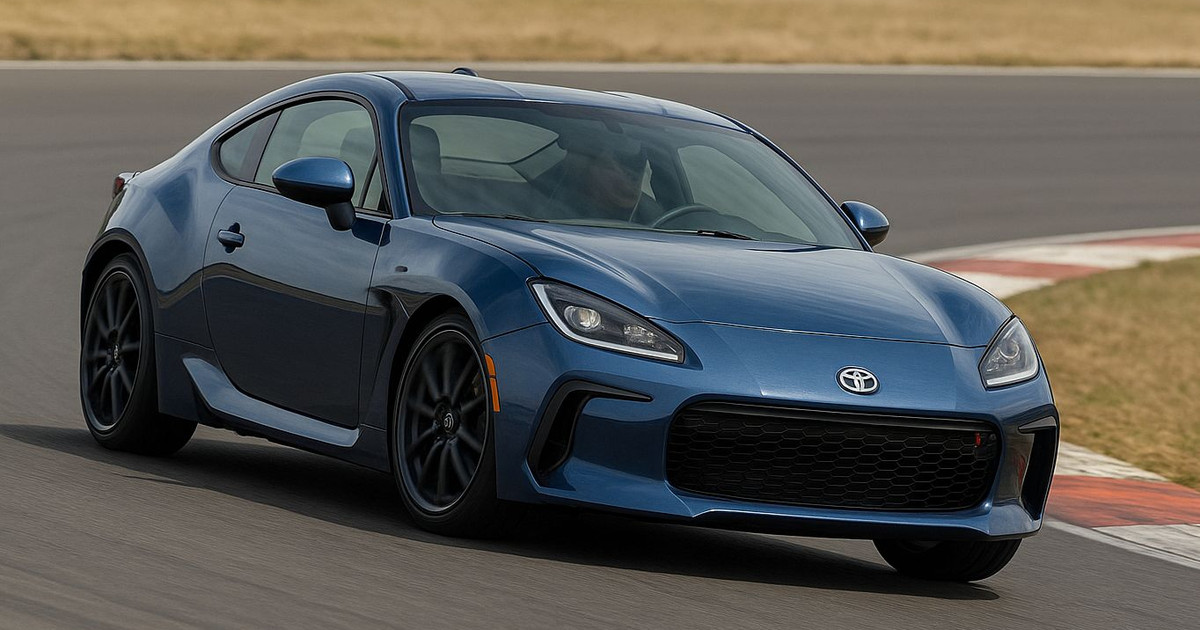
Planning a first HPDE event? The registration price is easy to mistake for the full cost. A realistic HPDE budget includes the event fee, often a gate fee, travel to and from the circuit, vehicle preparation, fuel, and wear on the car, especially brakes and tires. Helmet rental, extra instruction, accommodations, or separate track-day insurance may also add to the total.
The good news: a full tool set, a dedicated race car, trailer, or long list of modifications is usually unnecessary for a beginner-oriented event. An eligible, properly inspected street car is usually sufficient, subject to the event organizer’s requirements. The sections below cover costs to consider before registering.
Quick Answer: What Does a Track Day Cost?
A sensible budget has four parts:
- Registration and event extras, such as required coaching or membership fees not included in the registration price.
- Travel and operating expenses, including fuel, food and possibly a hotel.
- Car-prep work and consumable wear, especially brakes and tires.
- Optional risk-management and equipment costs, including track-day insurance and a helmet purchase.
Treat the advertised entry fee as the starting point. The simple worksheet below is more useful than a single headline price.
Illustrative total: $510 for a local first HPDE day, before optional insurance, unforeseen repairs, or extra required event fees not itemized below. This worksheet includes $300 registration, $10 gate, a conditional $30 helmet-rental allowance, $65 fuel, $25 food/water, and an $80 tire/brake wear reserve. The non-registration operating and wear amounts are examples, not necessarily typical.
For specific 2026 registration references, Speed Ventures has advertised Southern California events at $275–$340 depending on date and track, including a $300 Buttonwillow Circuit entry with a separate $10/person gate charge. Confirm whether the advertised price covers one day or a full weekend. Neither these registration rates nor the $510 all-in worksheet is a nationwide average. The total depends on the vehicle, travel distance, required gear, venue, organizer, event type, and any event-specific insurance (optional).
A First HPDE Cost Breakdown
EVENT REGISTRATION — Budget the listed price for the specific date and run group. A 2026 Speed Ventures example is $300 for Buttonwillow Circuit; a Hooked on Driving VIR listing shows $450 for one day and $50 for novice coaching. Confirm whether coaching is included and whether the advertised rate covers one day or the full weekend.
MEMBERSHIP, TECH AND GATE FEES — Some clubs charge an annual membership or one-day fee; others do not. HOD says it no longer requires a membership fee for 2026. NASA SoCal lists a $10 HPDE event tech fee in its arrival information. The November Buttonwillow Circuit event page lists $10 per person for track entry.
HELMET AND CLOTHING — Confirm the organizer’s accepted helmet certifications, validity dates, and clothing requirements before purchasing equipment. Rentals may be more economical for first-timers when available. NASA SoCal lists $30 helmet rental, first come, first served. Helmet availability, sizing, and eligibility should be confirmed with the organizer. Shoes and clothing must meet the event rules; expensive racing apparel is not typically required.
FUEL — Budget the drive to and from the venue, as well as fuel consumed on track. Actual consumption varies widely with vehicle, pace, session duration, and travel distance. Fuel arrangements should be planned before arrival, including nearby stations; trackside fuel may be unavailable or more expensive than at local stations.
BRAKES AND TIRES — Even without replacing parts on event day, track use consumes a portion of tire and brake-pad life, and sometimes rotors. A per-event wear reserve should reflect actual replacement costs and observed service life. Brake and tire expenses vary by vehicle, tire selection, driving conditions, and frequency of track use. Street tires with fresh brakes will incur different costs from a high-powered car on dedicated track tires.
PRE-EVENT INSPECTION AND FLUIDS — An organizer may accept a self-completed tech form, require inspection by a qualified shop, or charge an on-site inspection fee. Problems with brakes, tires, leaks, or fluids should be corrected before arriving. Deferring necessary repairs may increase expenses or prevent participation. See the TrackMinded tech-inspection checklist.
FOOD, WATER AND ACCOMMODATION — A local day trip has different costs from an overnight event. Allow for breakfast, a packed lunch, drinks, lodging, tolls, and early departure. A hotel may be worthwhile if a long early-morning drive would interfere with adequate rest.
TRACK-DAY INSURANCE — A separately quoted HPDE policy may be worth considering when financial exposure from vehicle damage is a concern. Many personal auto policies exclude driving on a track; coverage depends on the policy wording. Review the deductible, limits, exclusions, and an actual quote for the specific vehicle and event. Insurance is not a zero-deductible guarantee and may not be available for every vehicle or event.
Two Example Budgets
HYPOTHETICAL EXAMPLE A: LOCAL FIRST-TIMER WITH A CONDITIONAL HELMET-RENTAL ALLOWANCE
Registration $300 + track gate $10 + conditional helmet-rental allowance $30 + hypothetical road/track fuel $65 + food/water $25 + hypothetical tire/brake wear reserve $80 = $510. Any separate tech, coaching, or membership charges and necessary tools/vehicle work increase the total. Insurance is excluded; only an actual quoted premium should be added.
HYPOTHETICAL EXAMPLE B: SAME EVENT WITH EXTRA TRAVEL
Start with the illustrative $510 example and add a hypothetical $160 hotel/travel increment = $670 before optional insurance or other charges.
These examples illustrate variable expenses rather than predict an actual invoice. Registration, vehicle condition, travel, and insurance choices can change the total substantially.
First-Time Costs Versus Recurring Costs
A first event may involve one-time or infrequent purchases: a helmet, tire-pressure gauge, basic tools, or a gear bag. Some items may be rented or borrowed, and many last across multiple events. These items still have a cost; one-time purchases should be tracked separately from ongoing operating expenses.
Recurring expenses include registration, fuel, food, travel, and an allowance for consumable wear. The per-event reserve becomes easier to estimate after recording tire tread condition, brake-pad thickness, fluid service, fuel, and mileage for each event.
A useful simple formula is: TOTAL EVENT COST = entry + required fees + travel + fuel + food + lodging + prep work + tire/brake reserve + optional insurance + newly purchased gear (counted only once).
Seven Ways to Control a First Track Day Budget
- Choose a beginner-oriented event with clear coaching and run-group rules rather than the lowest sticker price without instruction.
- Confirm all necessary charges, refund terms and optional extras.
- Use a mechanically suitable, properly inspected street car.
- Rent a helmet if the organizer confirms availability and proper fit.
- Stay local, share appropriate travel costs when practical, and pack food and water.
- Avoid purchasing a trailer, extra wheel set, or advanced data system before establishing regular attendance.
- Record actual costs after each event to refine future budgets, especially fuel and tire/brake consumption.
The places not to cut corners are safety, organizer-required equipment, and necessary vehicle maintenance or repairs. A car that fails tech inspection may be unable to run, and refund eligibility depends on the organizer’s policy.
TrackMinded Take: Spend First on Preparation and Instruction
A successful first HPDE is not measured by equipment purchases. A suitable beginner session, clear event rules, an early vehicle inspection, and a practical plan matter more. With a budget, required safety equipment, proper maintenance, and useful instruction should take priority over modifications intended to reduce lap times.
For the first-event sequence, see Getting Started with HPDE Events.
For preparation, see the First-Timer Checklist and the Track Day Packing List.
For organizers and circuits, see the Complete HPDE Track and Resource Guide.
Frequently Asked Questions
Is HPDE more expensive than autocross?
Registration prices and vehicle-wear patterns differ, and local programs vary considerably. Autocross can be a less expensive way to learn car control, while HPDE typically provides longer periods of circuit driving. Compare the full costs of events available locally, not just registration fees.
Can I do an HPDE event in my daily driver?
Many organizers accept suitable street cars. Eligibility, convertible rules, rollover requirements, noise limits, and other restrictions depend on the organizer and venue. Pre-event inspection and necessary maintenance should be completed before participating.
Do I need expensive tires or upgraded brakes?
Not automatically for a first event. Condition, suitability, vehicle-specific requirements, and the organizer’s rules matter more than costly upgrades. A qualified mechanic can assess whether the tires, pads, fluid, and other components suit the particular car and event.
Does my ordinary auto policy cover track days?
Standard auto policies may exclude track or HPDE driving; actual coverage depends on the policy wording and jurisdiction. Confirm terms with the insurer and consider the coverage, deductibles, risk of policy cancellation, and exclusions of a separate HPDE policy before the event. Don’t assume you will be covered by other drivers’ insurances at the track.
Should I buy a helmet for my first event?
A purchase can make sense for drivers who plan to attend regularly, provided fit, certification, and event rules are verified. For first-timers, a confirmed rental may reduce initial costs and guide purchase choices.
What should I budget for a two-day HPDE weekend?
Begin with the organizer’s actual weekend rate, then add fuel consumed on track (and to and from), food, lodging, consumable wear, and optional insurance for the applicable event duration. One-time purchases, such as a helmet and basic tools, should not be counted twice.
Final Preparation
Before registration, list each expected expense and identify whether it is required, optional, one-time, or recurring. A budget that includes a reasonable maintenance reserve provides a clearer picture of first-event costs.
For educational use only. This guide does not replace professional instruction, event rules, tech inspection requirements, vehicle-specific service guidance, or advice from a qualified mechanic. Follow the event organizer’s rules and the vehicle manufacturer’s guidance.
Last reviewed: October 17, 2026. Event fees, organizer requirements, and insurance terms can change. Confirm current details before registering.